4 hr 30 min
Bay of Islands Hole in the Rock Cruise with Twin Island Landings
- Entry ticket
- Mobile voucher
- Valid same day
- Free cancellation
Hole In The Rock Cruise — Bay of Islands Signature Voyage
Sail through the pierced basalt arch, where the Pacific meets 144 islands
Compare fares, pick the fit — all bookings are mobile-voucher and eligible for free cancellation where shown.
4 hr 30 min
4 hr 30 min
3 hr
| Experience | Duration | Rating | Guide | Small group | Free cancel. | Price | |
|---|---|---|---|---|---|---|---|
|
Standard Entry
Most popular
Bay of Islands Hole in the Rock Cruise with Twin Island Landings
|
4 hr 30 min | ★ 4.8 | ✓ | ✓ | ✓ | €86 | Book → |
|
Standard Entry
Bay of Islands Catamaran Cruise with Dolphin Viewing & Island Stop
|
4 hr 30 min | ★ 4.6 | — | — | ✓ | €86 | Book → |
|
Standard Entry
Bay of Islands Hole in the Rock & Island Discovery Cruise
|
3 hr | ★ 4.8 | — | — | ✓ | €74 | Book → |
Worth it for scenery and wildlife seekers
The Hole In The Rock Cruise delivers genuine value if you're after coastal drama and marine wildlife rather than ticking off a checklist. You'll cruise through the Bay of Islands, pass Motukokako Island, and—conditions permitting—navigate through the natural rock arch itself, a passage that's both geological spectacle and skillful seamanship. Dolphin sightings are common year-round, and you'll often spot seals basking on offshore rocks. The commentary covers Māori history and local ecology without padding. Tours depart from Paihia Wharf and run between 07:00 and 19:00, with the 08:30–14:00 window offering the calmest seas and best light for photography. If your priority is active wildlife encounters or you're prone to seasickness on open water, weigh the boat cruise tickets against alternatives—kayaking gets you closer to marine life, while land-based lookouts offer the arch view without the swell. For those who value the full Bay Islands passage and the thrill of sailing beneath volcanic basalt, it's a solid investment.
Bottom line: If you want to experience the Bay's coastal geology and marine life from the water, the Hole In The Rock Cruise tour earns its place on your itinerary.
Hand-picked experiences loved by thousands of travelers
4.5 hours
Free Cancellation
Half-day small-group adventure exploring 144 islands with beach time, snorkeling, and wildlife
4.5 hours
Free Cancellation
Half-day catamaran voyage through 144 islands with wildlife encounters and beachside stop included
3 hours
Free Cancellation
Three-hour small-group voyage through 144 islands with wildlife spotting and panoramic lagoon views
1.5 hours
Free Cancellation
Rocket across turquoise waters to the famous Hole in the Rock aboard a state-of-the-art fast boat
8.5 hours
Free Cancellation
Full-day voyage through Bay of Islands, visiting the iconic Hole in the Rock and pristine Urupukapuka Island
5.5 hours
Free Cancellation
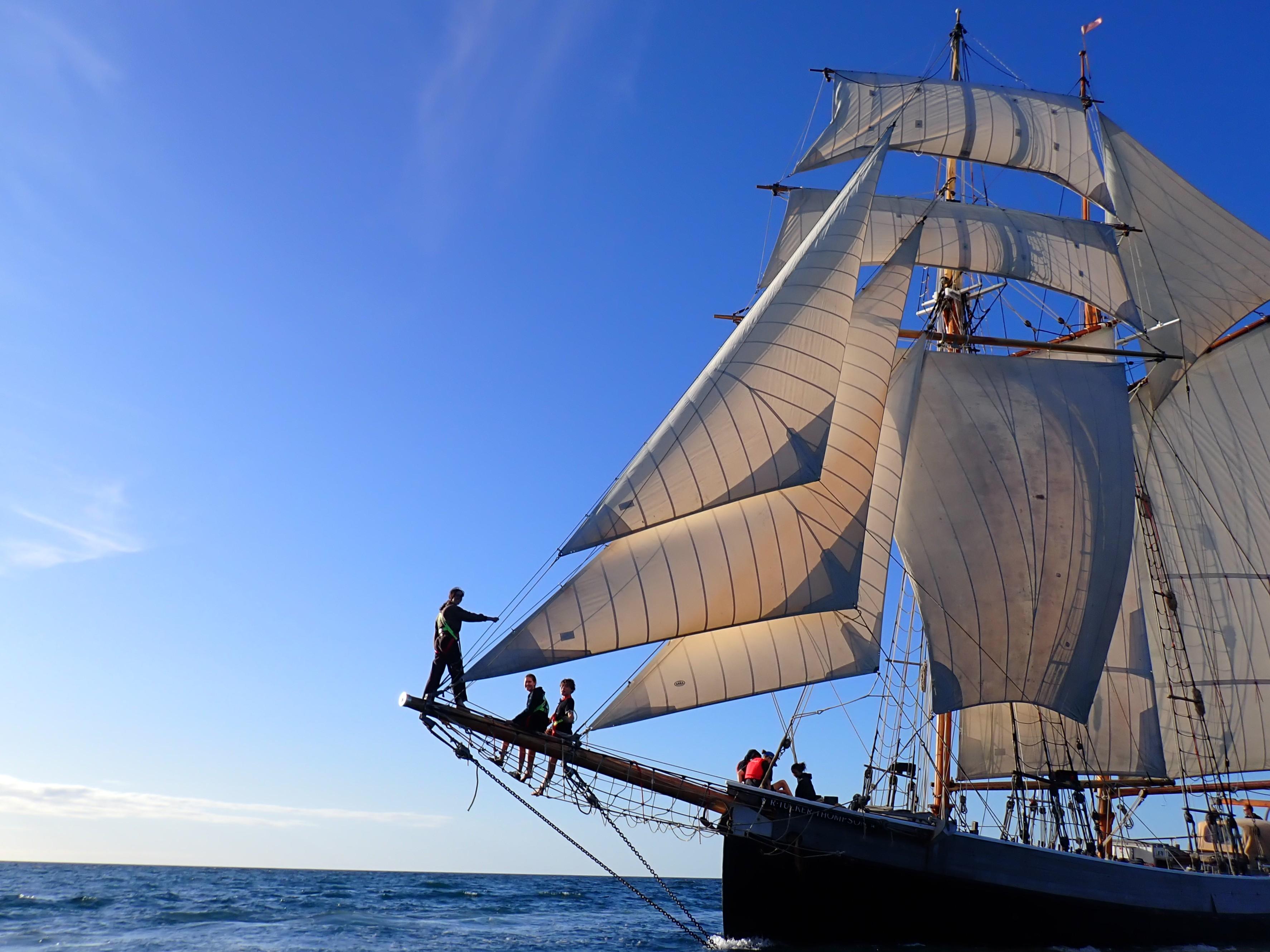
Sail the Bay of Islands on a traditional schooner with hands-on rigging, island swimming, and onboard BBQ
3 hours
Free Cancellation
Three-hour coastal voyage through sub-tropical islands to New Zealand's iconic natural archway
12 hours
Free Cancellation
Journey north from Auckland for a guided catamaran cruise through 144 islands, dolphin encounters, and stunning coastal vistas.
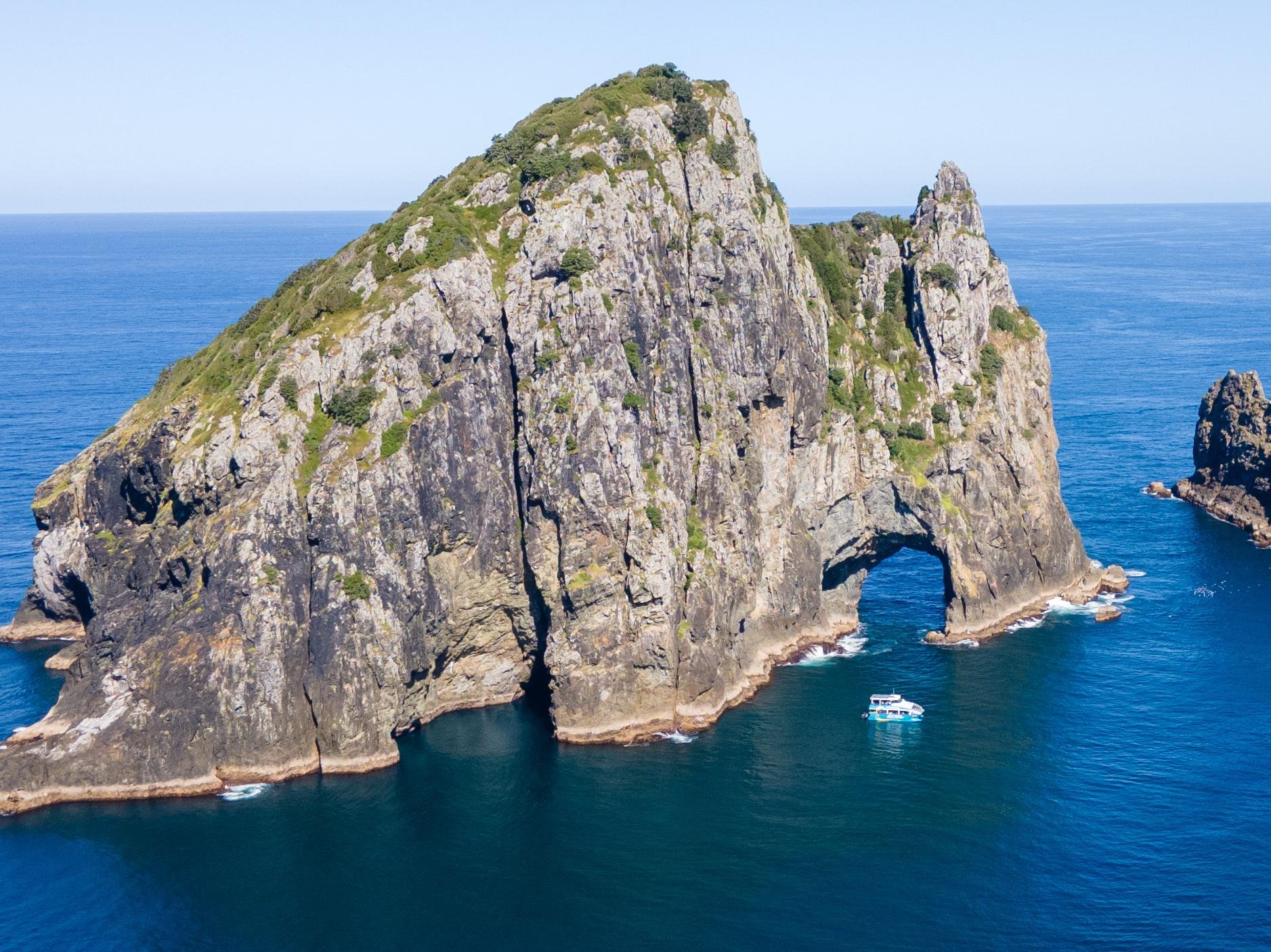
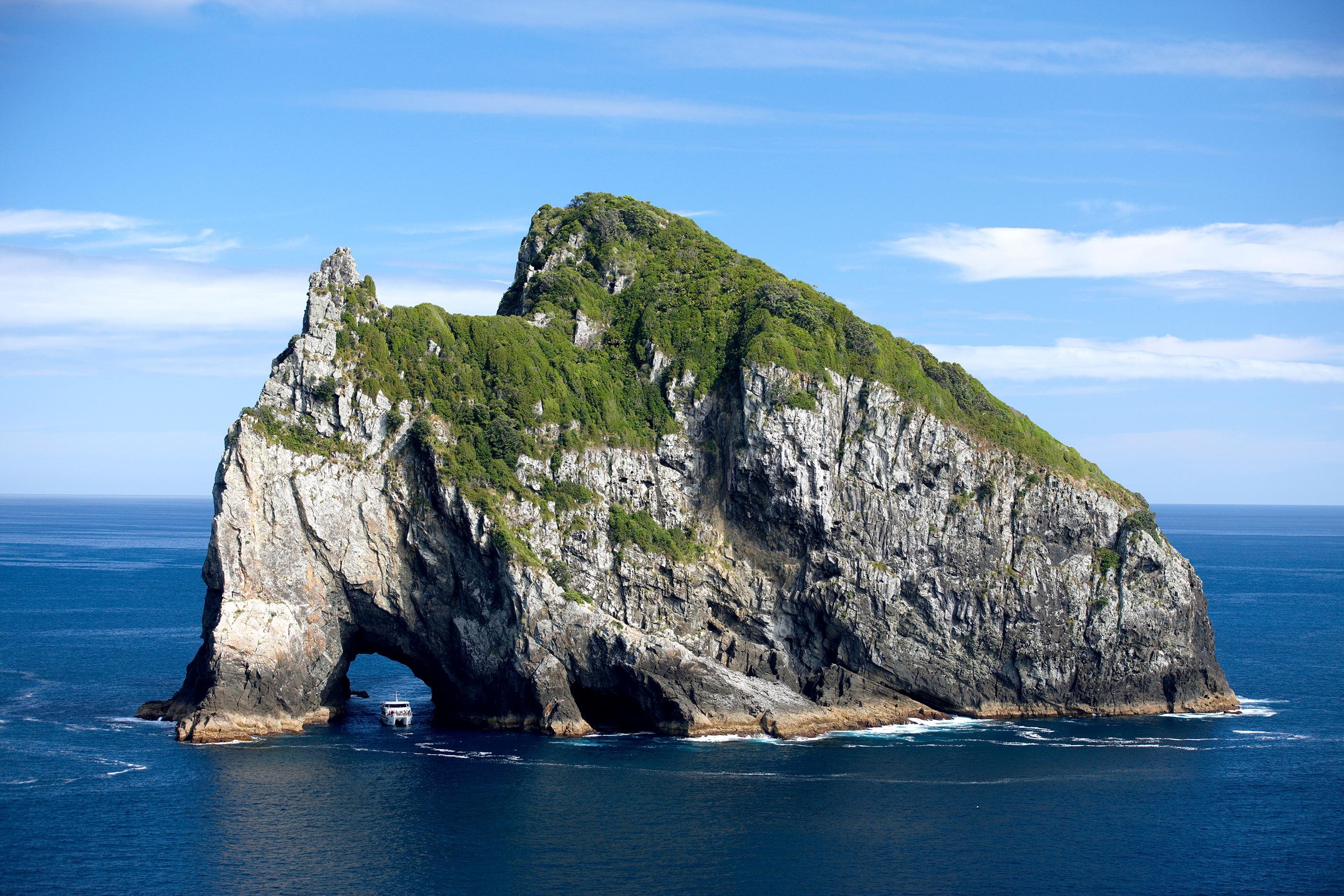
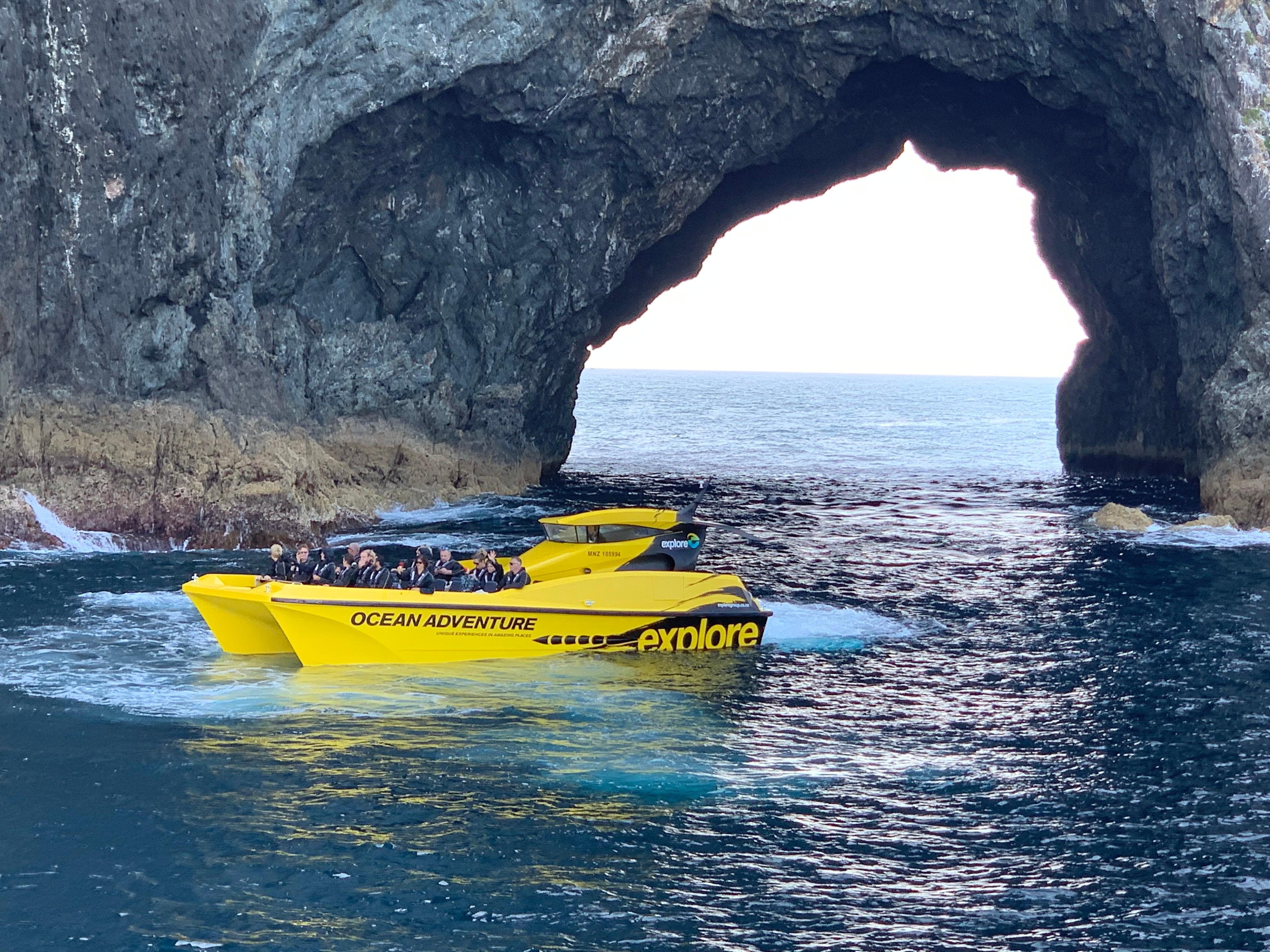
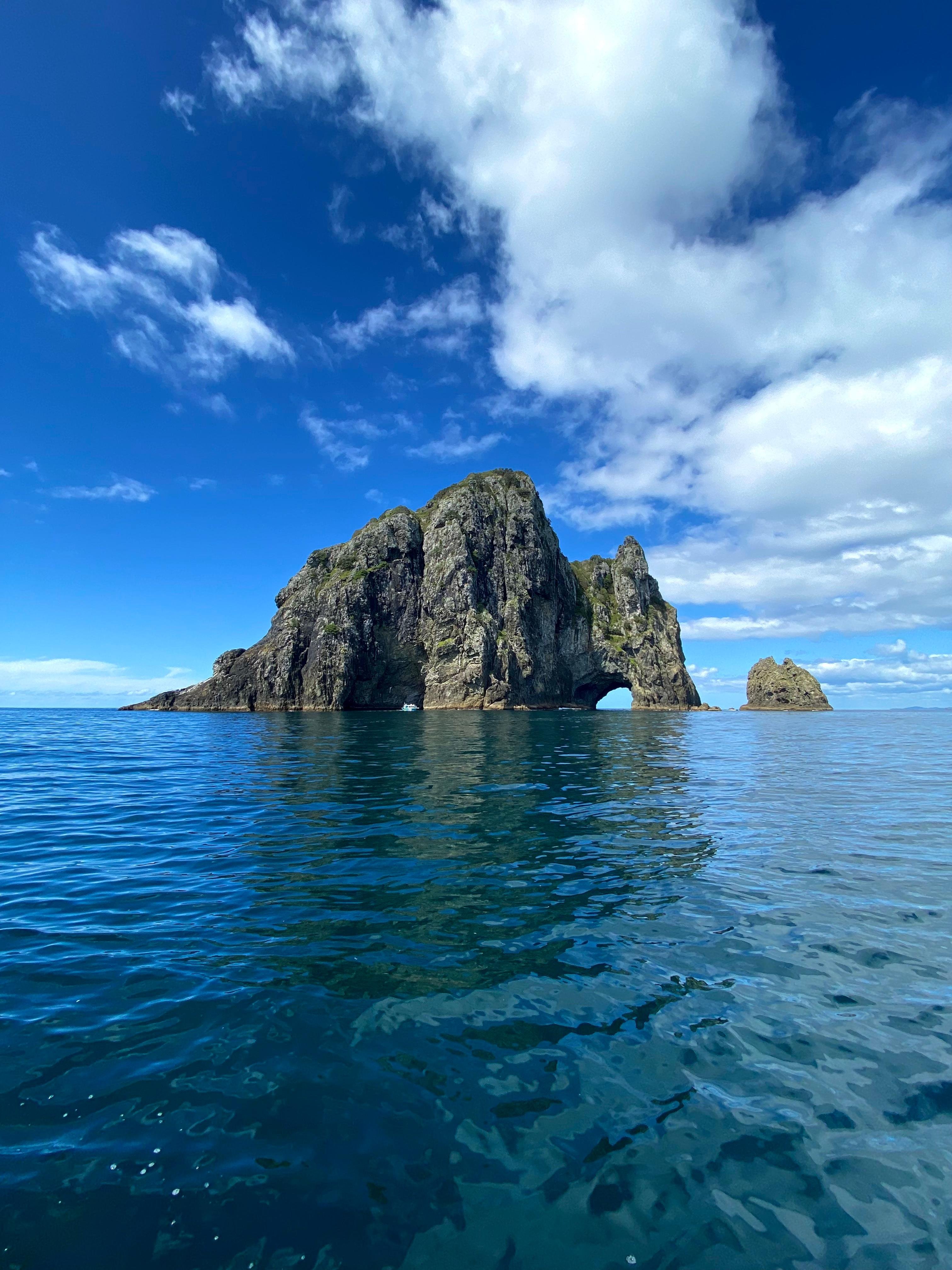
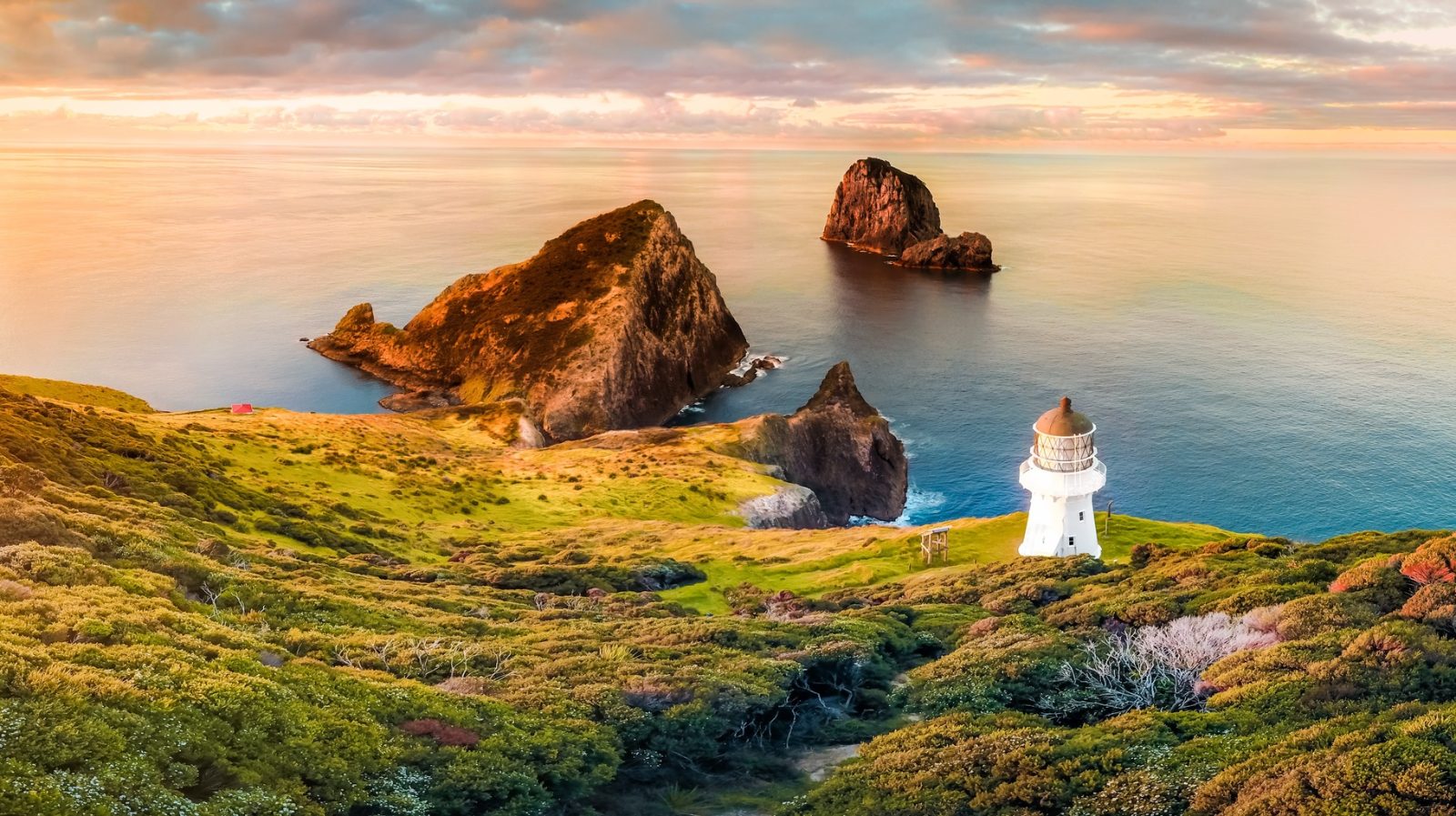
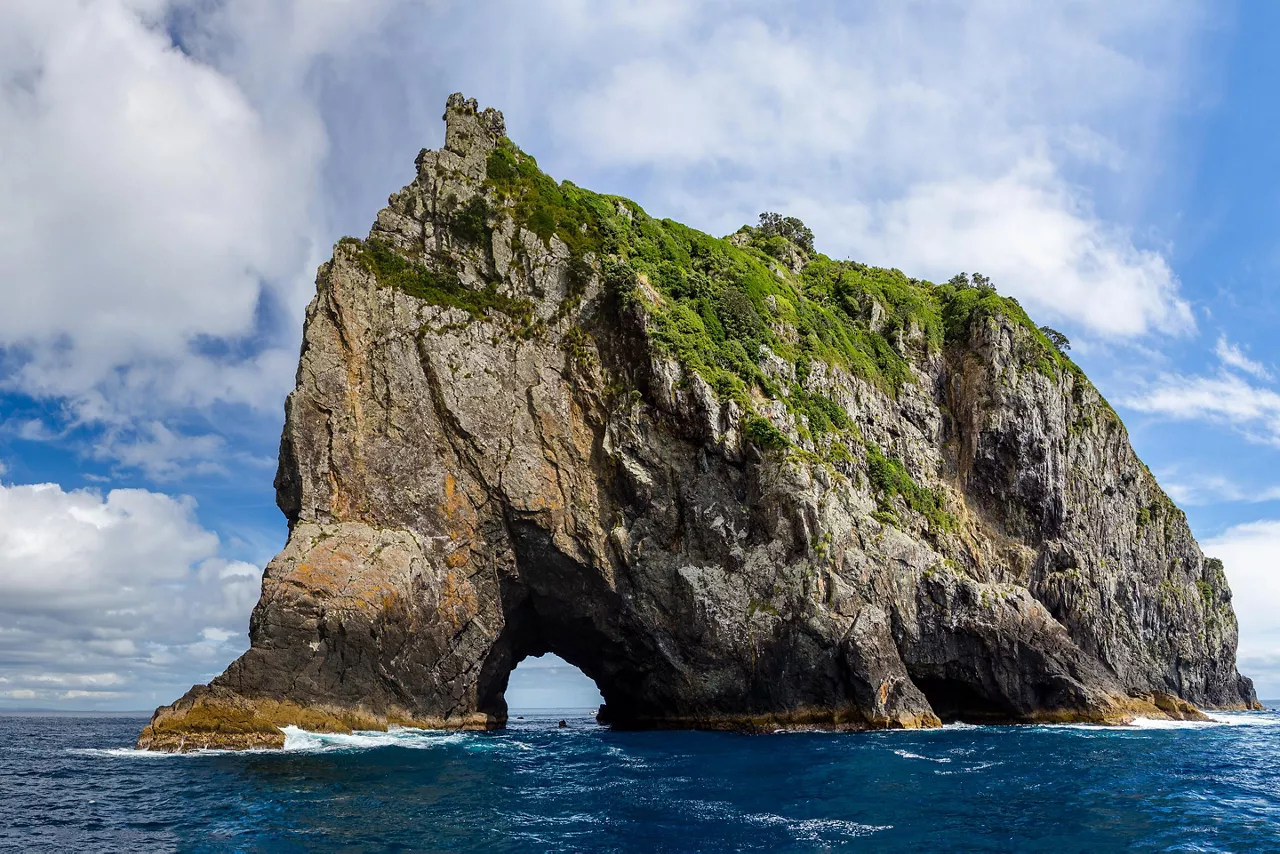
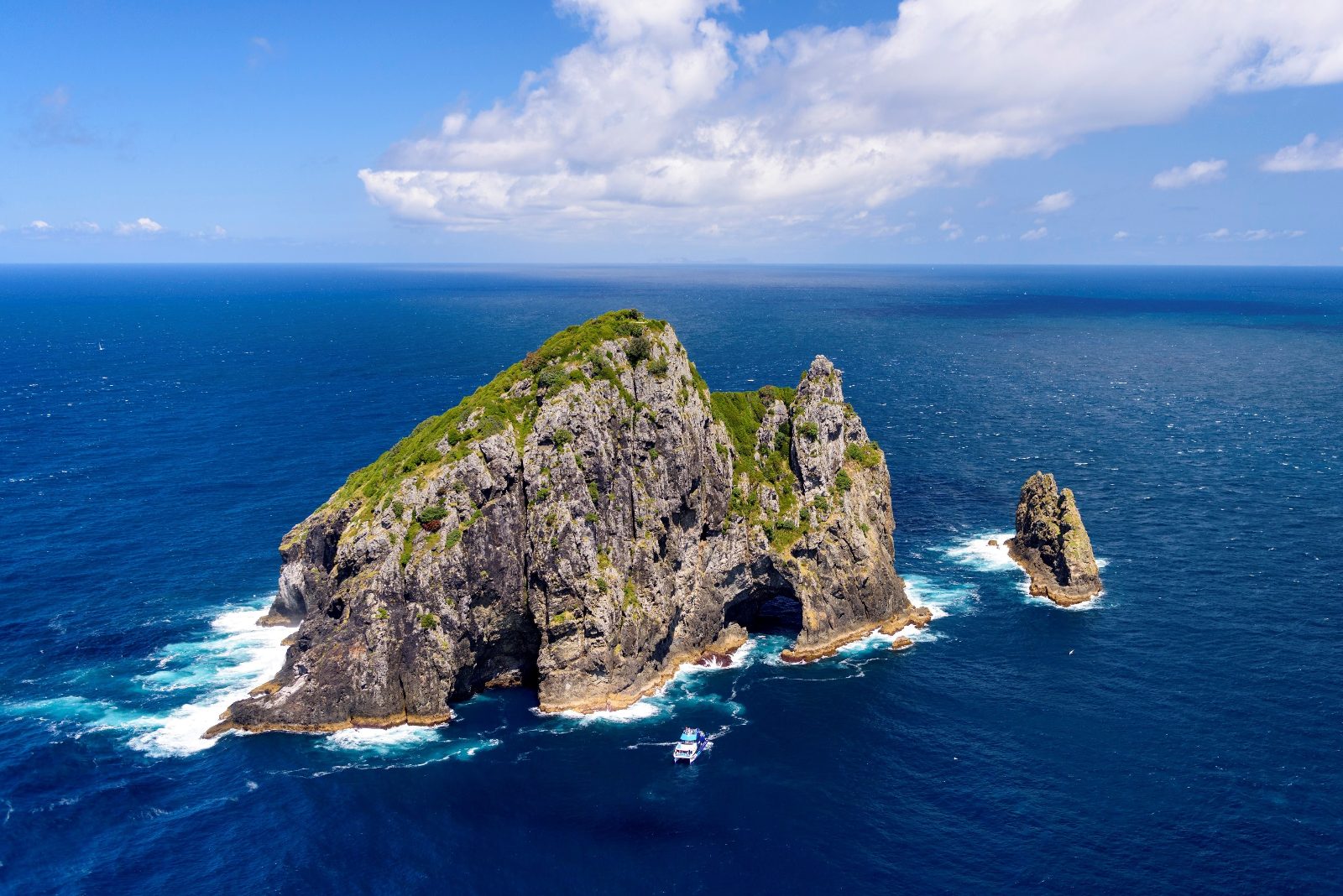
This 148-metre volcanic rock island features the iconic 16-metre-high archway formed by sea erosion.
Standing at the end of the peninsula, this historic lighthouse marks the entrance to the bay.
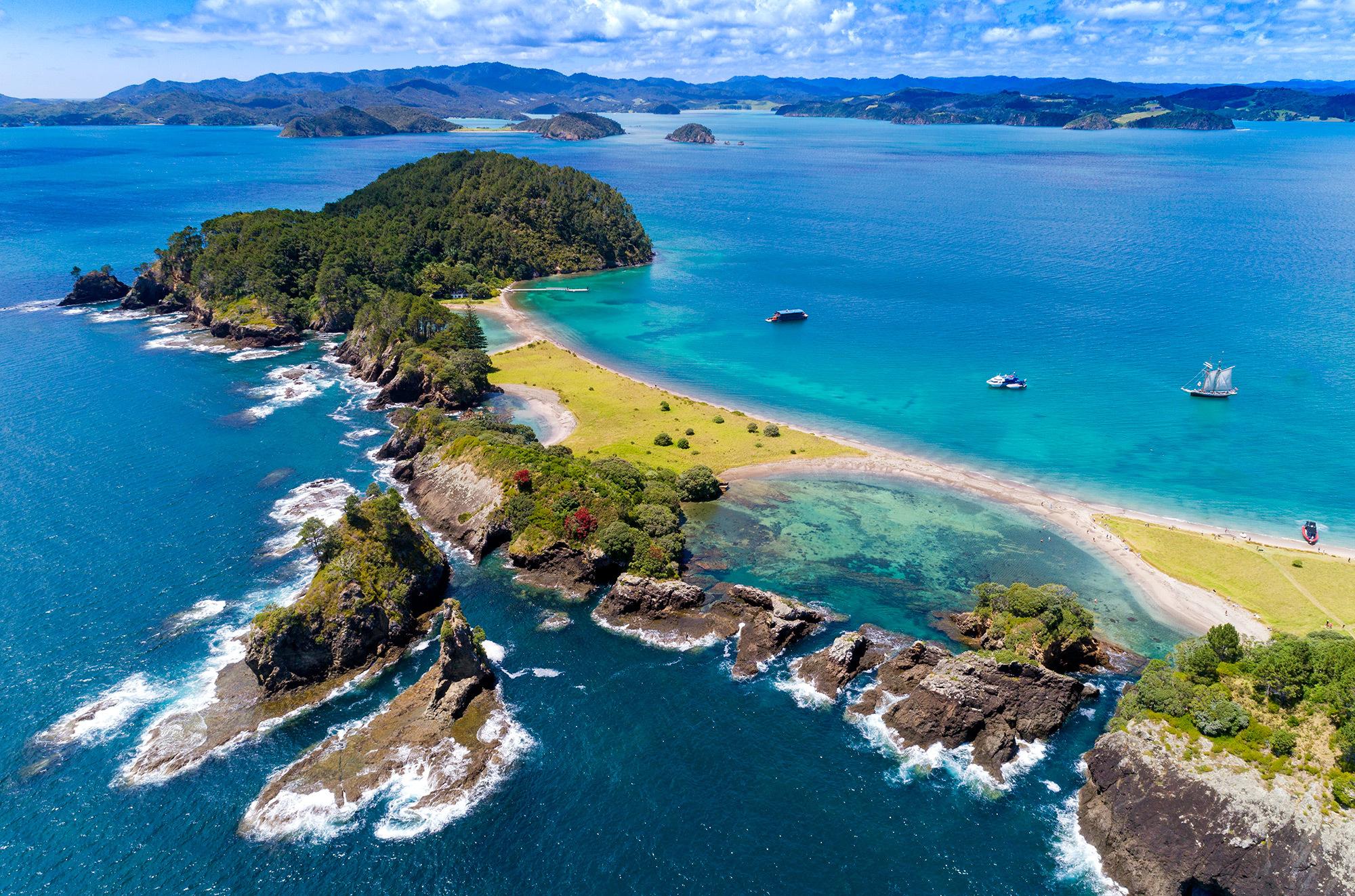
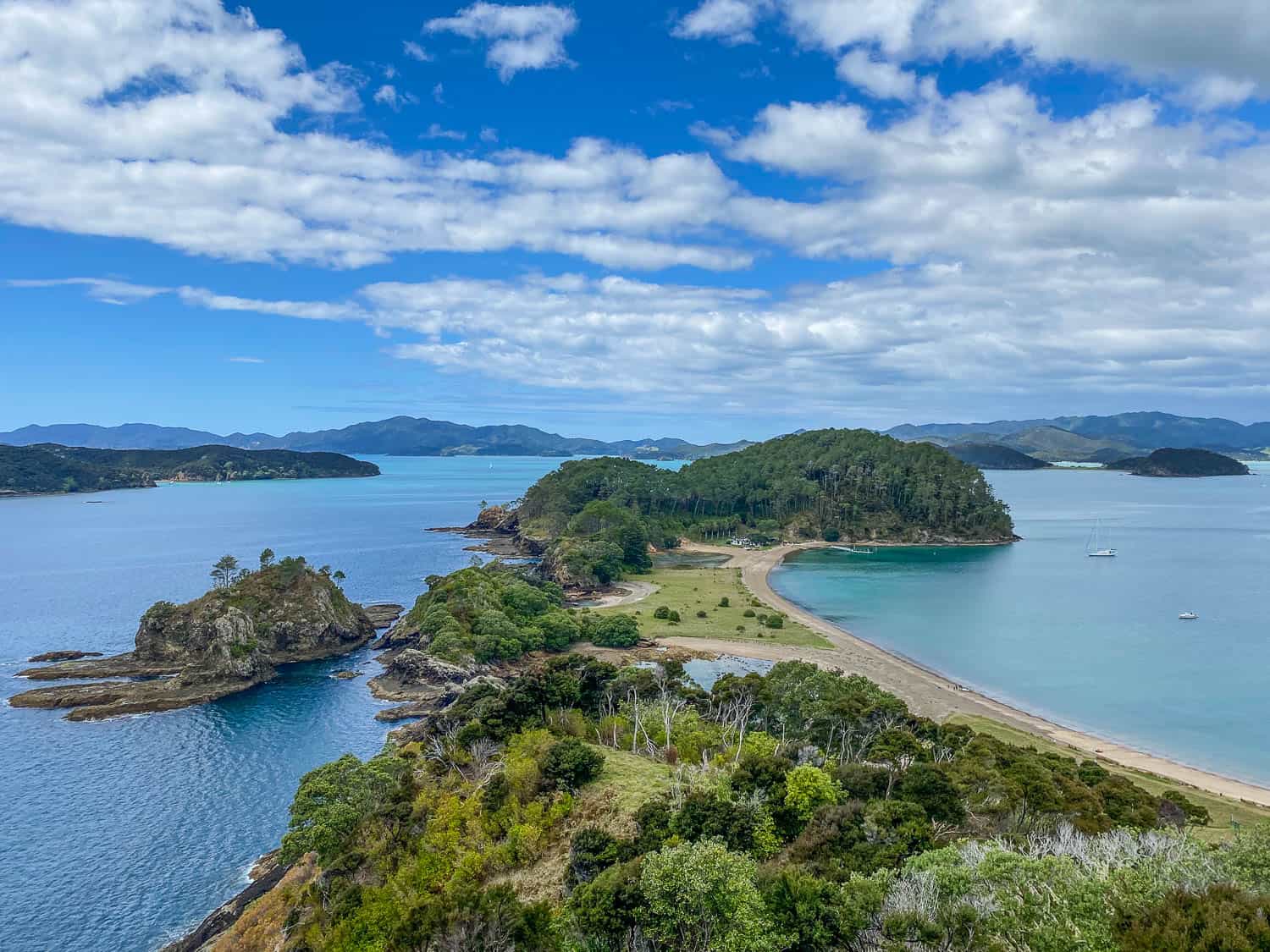
Visitors often stop here to hike to a scenic lookout point over the Twin Lagoons.
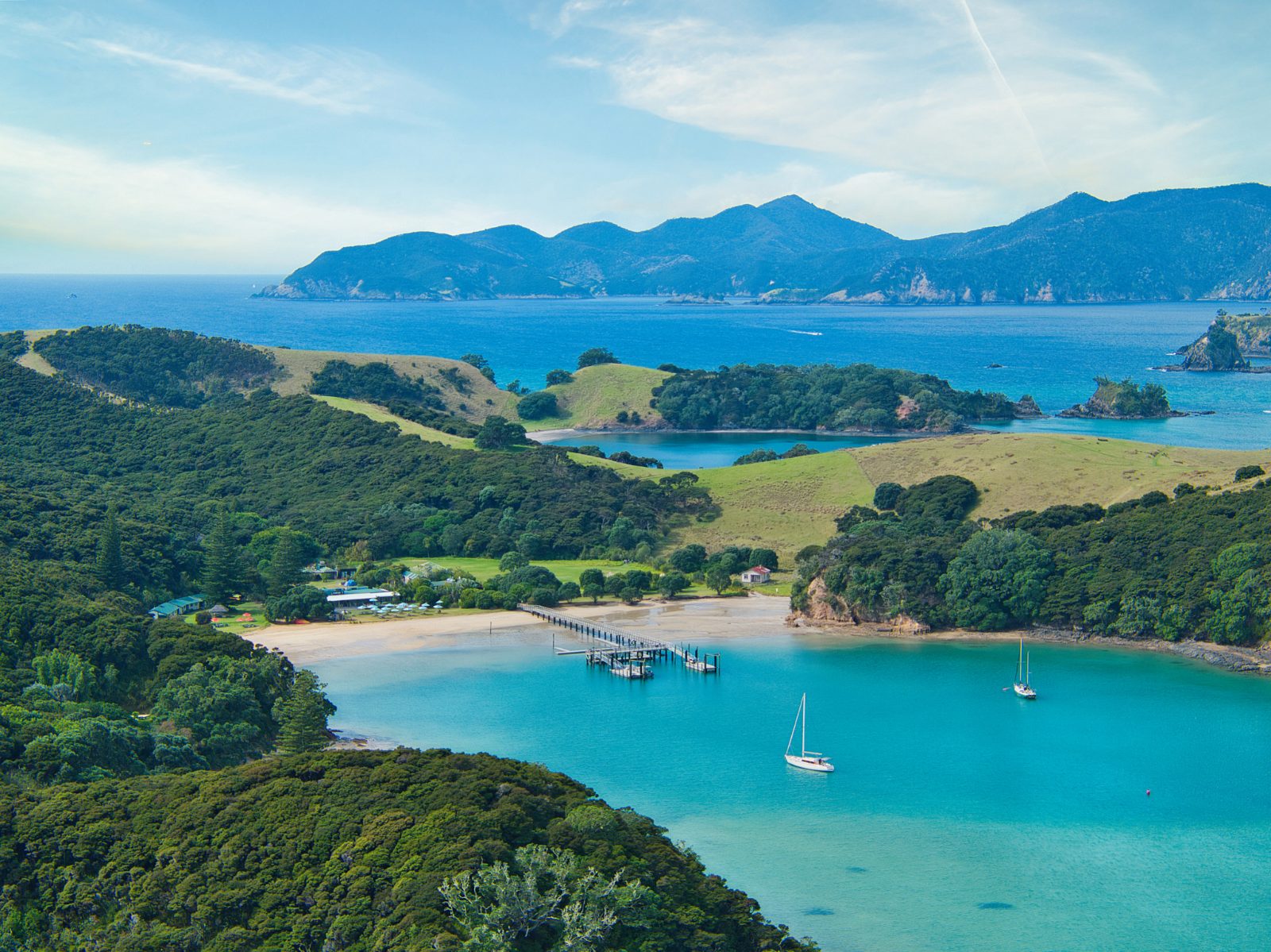
Located on Urupukapuka Island, this beach serves as a primary stop for swimming and relaxing.
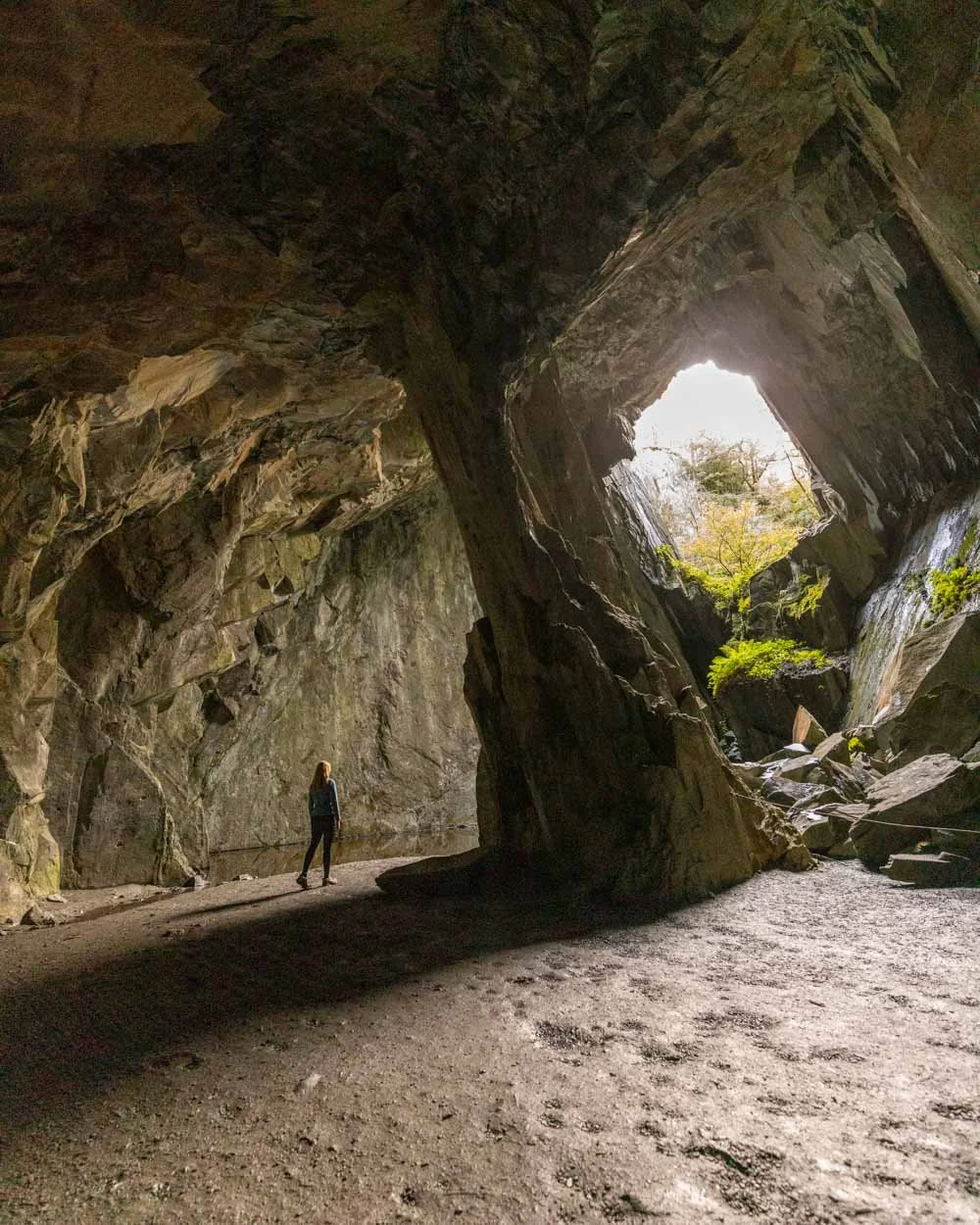
This sea cave is often included on fast-boat tours of the area when conditions permit safe entry.
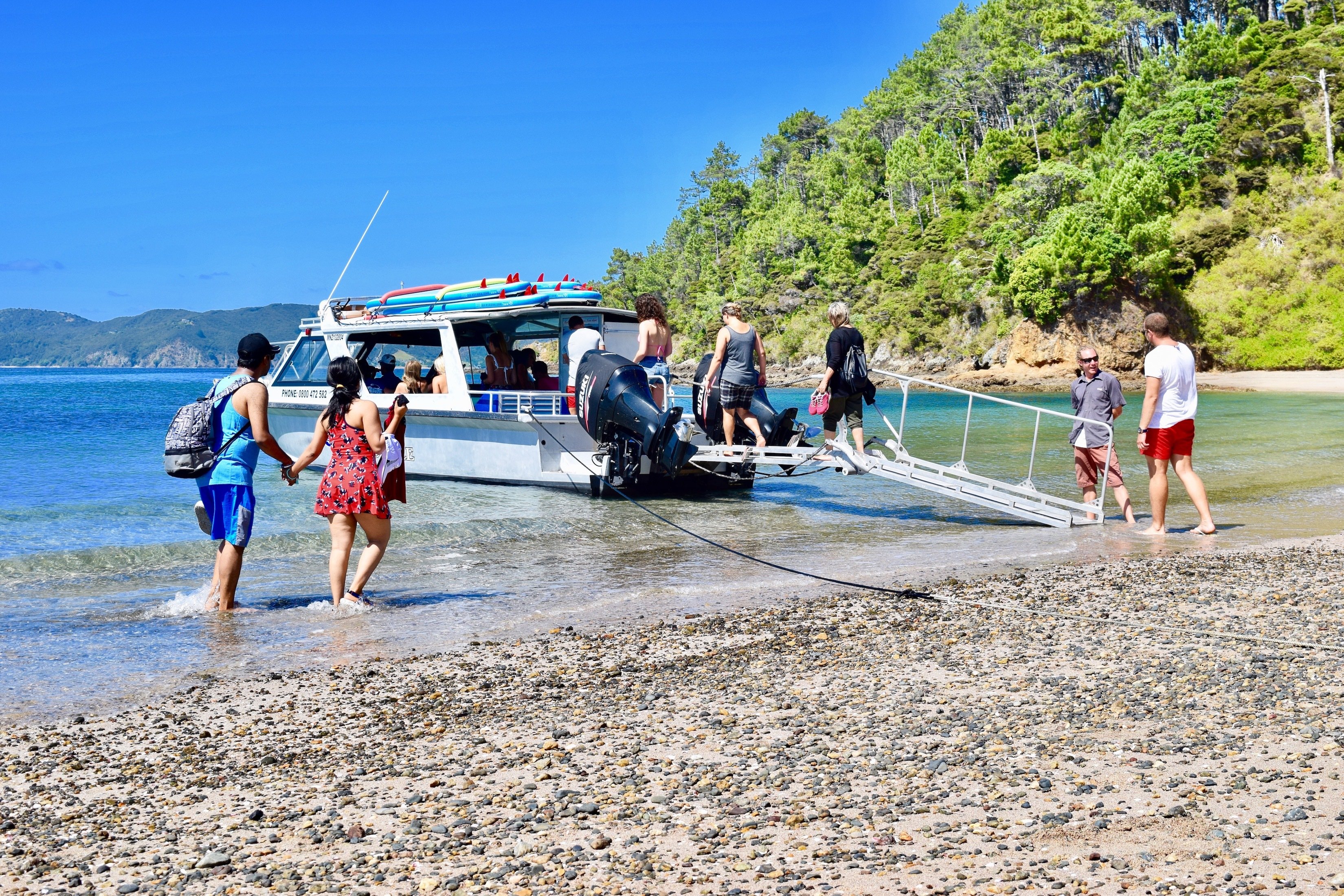
You board at Paihia Wharf thirty minutes before departure, claiming a seat on the upper deck if you want unobstructed sightlines or the enclosed cabin below if wind chill is a concern.
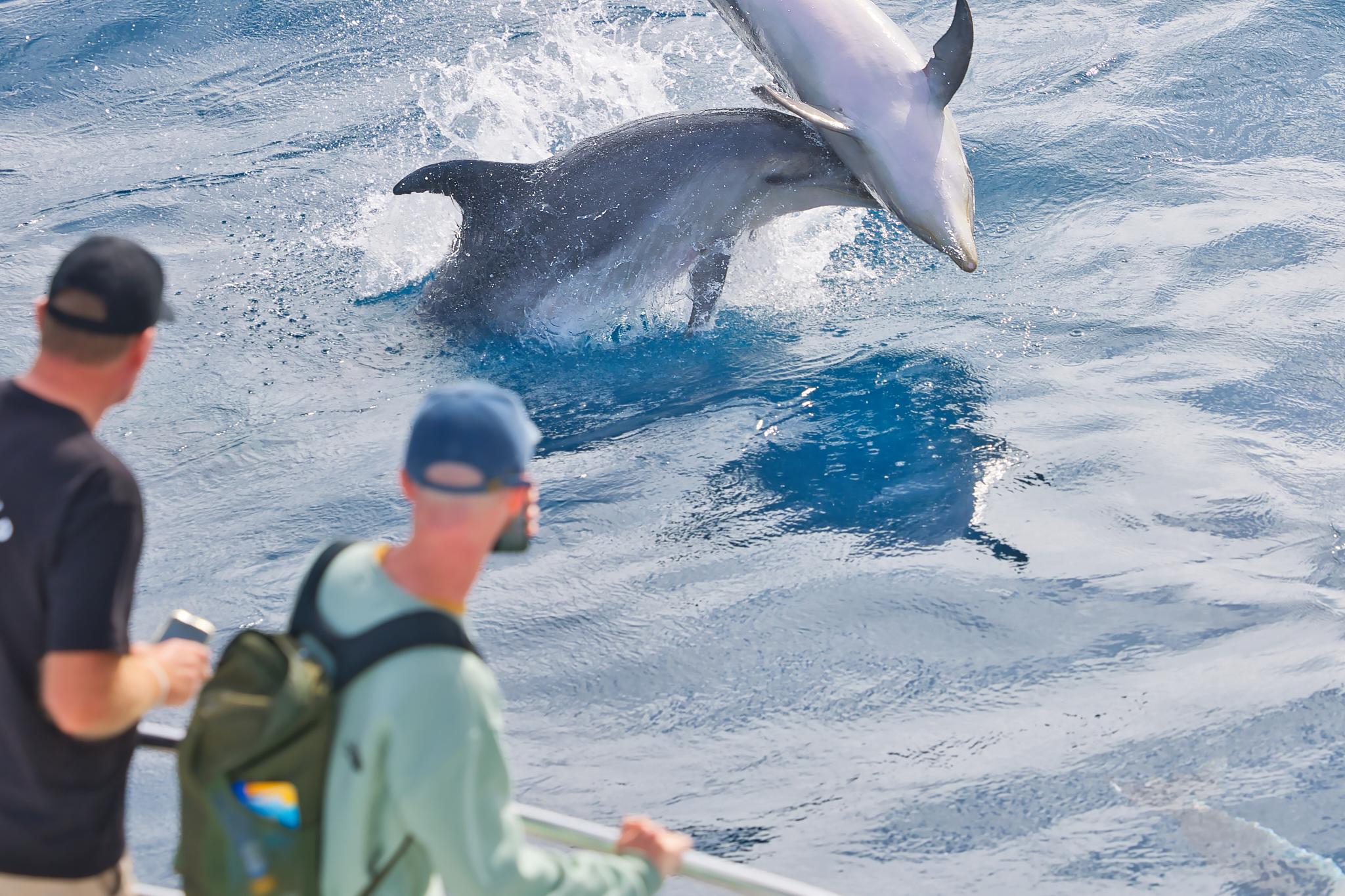
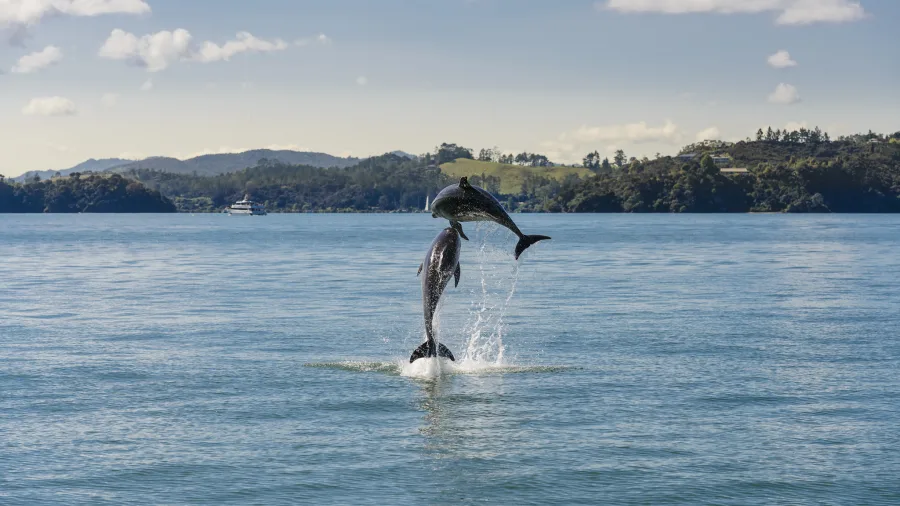
The vessel clears the harbour within five minutes, swinging northwest past Russell's shoreline and into the channel between Moturua and Okahu islands. Dolphins surface near the bow twenty minutes into the crossing, their dorsal fins cutting the waterline in synchronised arcs, and the skipper throttles down to let the pod approach.
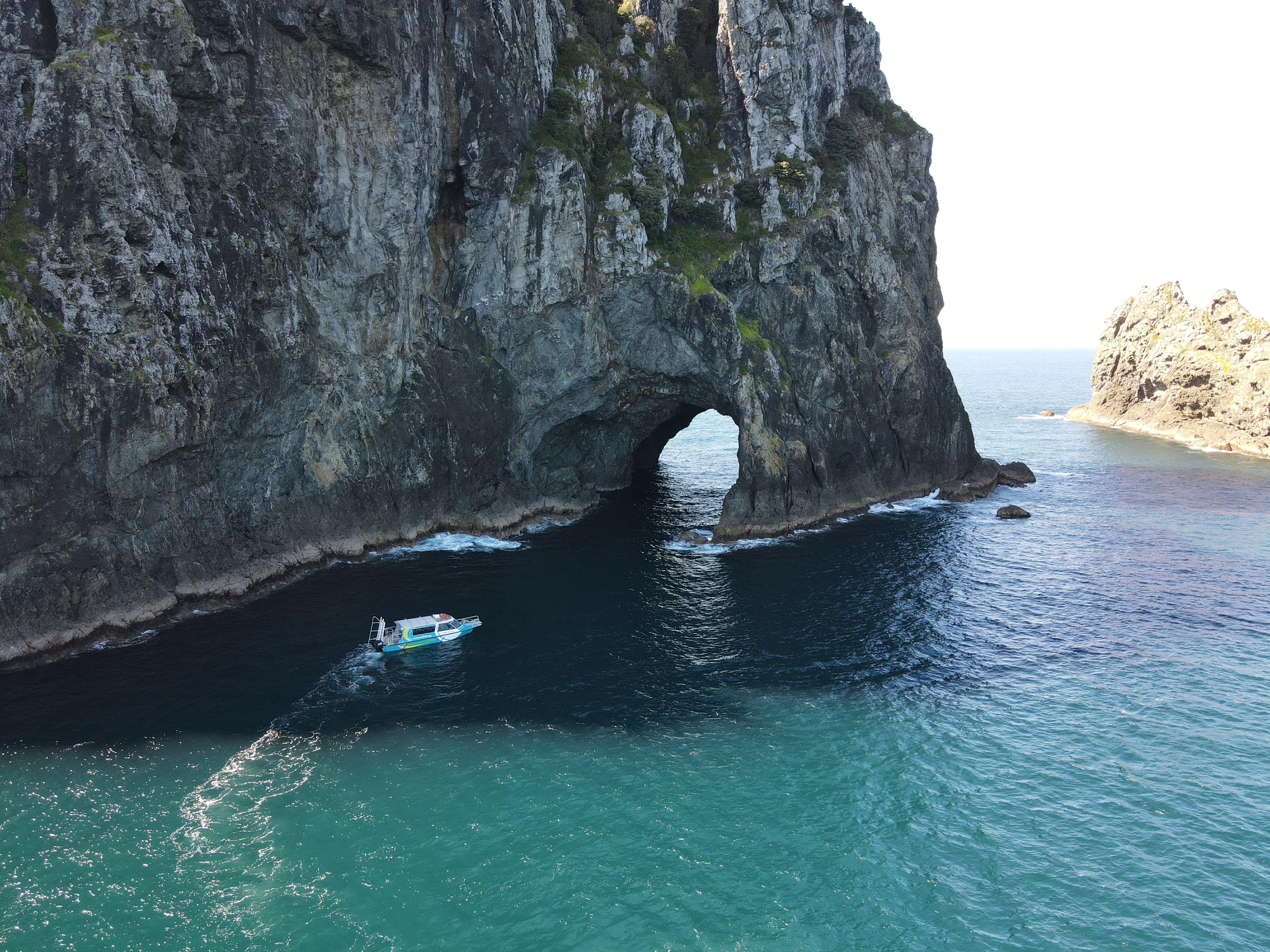
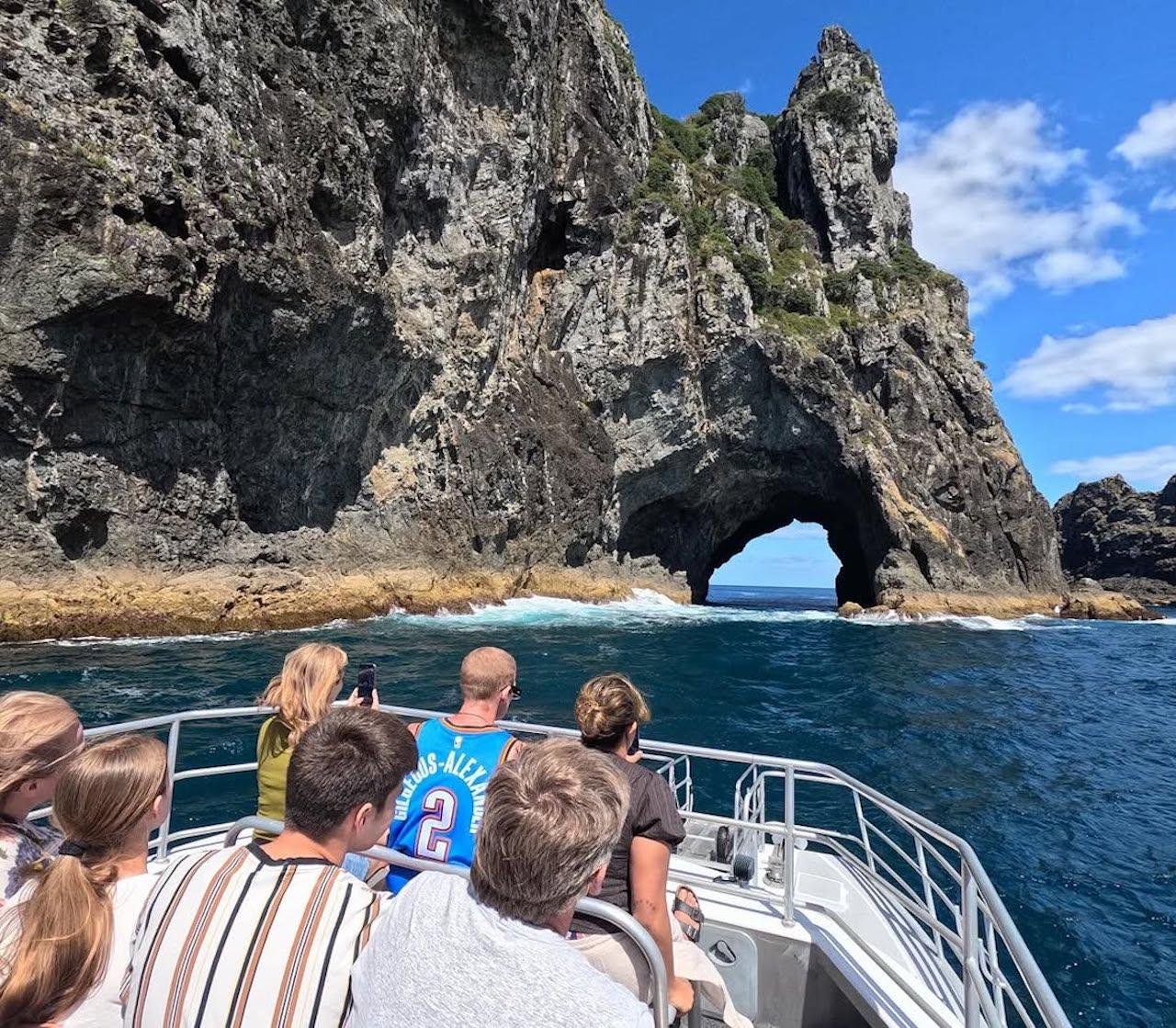
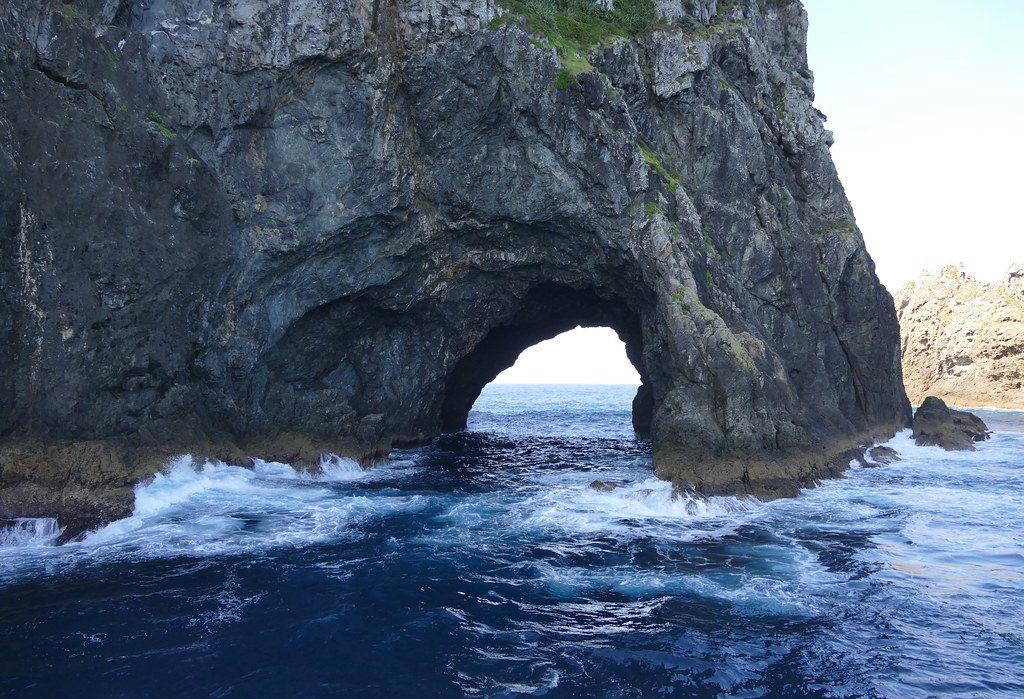
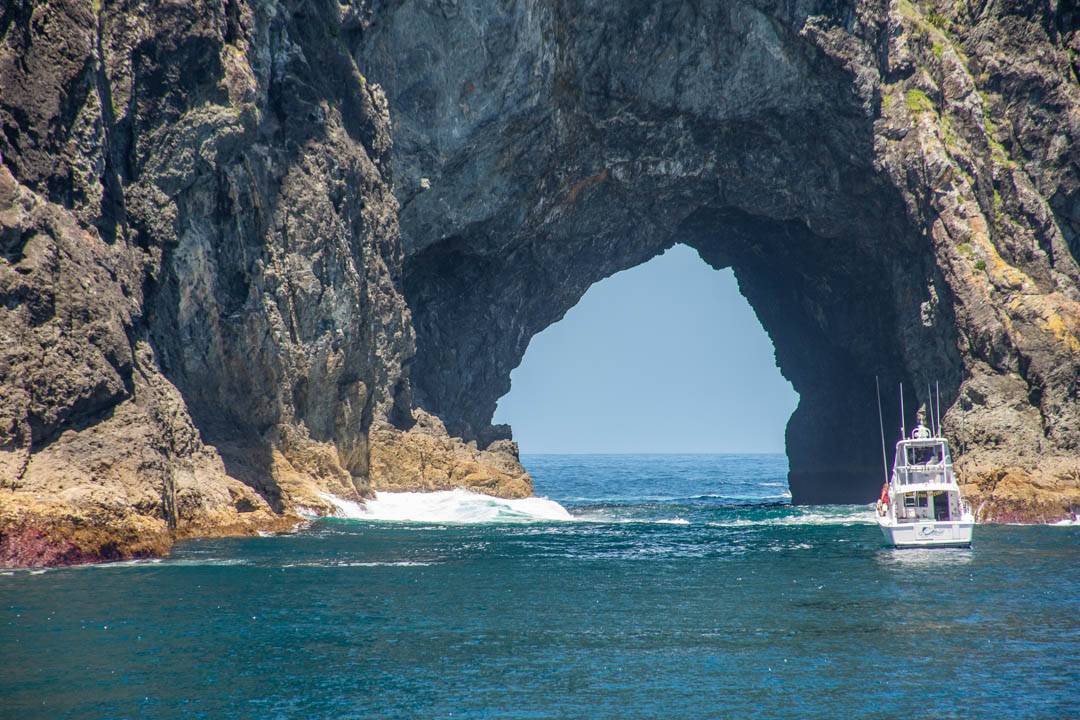
The inner islands fall away as the boat reaches open water, and the swell builds perceptibly. You spot the arch fifteen minutes before arrival, a dark aperture in the cliff face that grows clearer as distance closes. The engine idles to walking speed as the bow enters the rock corridor, and you look up at columnar basalt walls streaked with guano and salt crust. The passage takes forty seconds, the vessel emerging into sunlight on the ocean side, where Cape Brett Lighthouse stands white against headland scrub. The return leg cuts diagonally southeast through calmer water, the mainland ridge of Northland visible across twenty kilometres of bay.
All the details about your upcoming adventure in one place
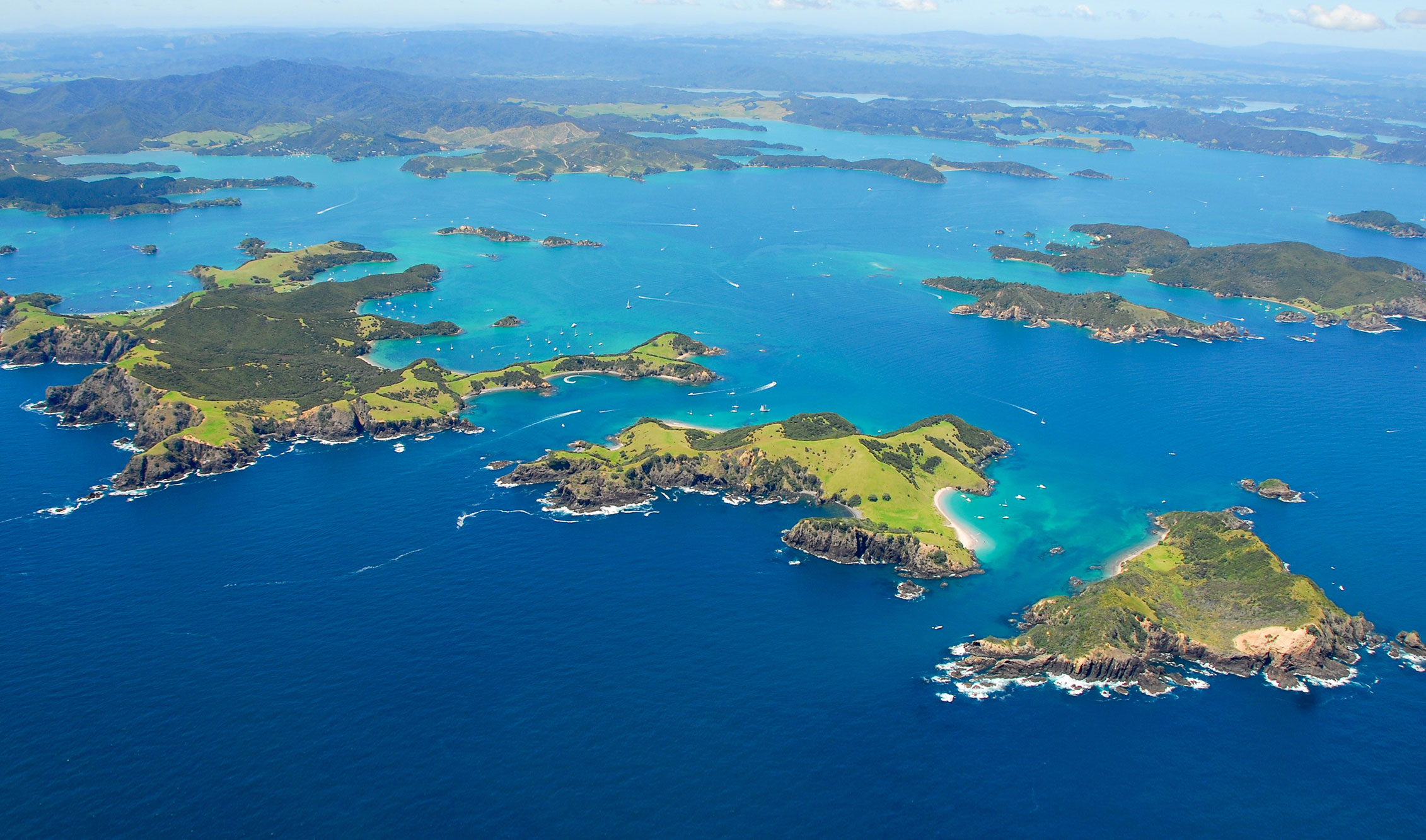
The Hole In The Rock Cruise navigates through the sheltered waters of the Bay of Islands to reach Motukokako Island, home to the famous natural rock archway carved by centuries of wave action. Bay of Islands boat tours bring you past secluded coves, volcanic headlands, and over 140 islands scattered across this subtropical marine reserve. Dolphins frequently accompany vessels along the route, and Cape Brett lighthouse marks the entrance to the outer bay where the rock formation sits.
The basalt arch known as Motukokako pierces the northern tip of Cape Brett Peninsula, its seven-metre-high opening carved by millennia of wave action against columnar rock.
Māori navigators named the site Pito-pito-riri, recognising its fierce currents and cultural significance long before European mariners mapped the Bay of Islands in the late eighteenth century. The formation sits at the outermost edge of a drowned valley system that shelters 144 named islands, the geological remnant of volcanic activity and tectonic subsidence that created one of the South Pacific's most complex estuarine environments.
Commercial cruises to the arch began in the 1960s, transforming what had been a navigational landmark into the Bay of Islands' defining visitor experience. Captains time their approach to coincide with tidal windows and swell conditions calm enough to allow passage through the opening, a manoeuvre possible fewer than half the days each year. When conditions align, vessels thread the rock corridor slowly, passengers looking up at columnar jointing overhead and out toward open ocean beyond. The arch frames Cape Brett Lighthouse, still operational since 1910, which guided coastal shipping before modern GPS rendered its beam ceremonial.
The cruise route follows a forty-kilometre corridor from Paihia Wharf northwest through the inner islands, passing Moturua Island's regenerating forest and the Ninepin Rock cluster before reaching open water. Skippers narrate the volcanic origins of the archipelago, the 1769 arrival of Cook's Endeavour, and the Treaty of Waitangi's Bay of Islands signing twenty kilometres south. Bottlenose dolphins inhabit these waters year-round, their pods often riding bow waves during the outbound leg. Seasonal orca and Bryde's whale sightings occur between May and September, when nutrient upwellings draw pelagic species closer to shore.
Tour operators sailing the Bay of Islands route maintain a continuous schedule from dawn through late afternoon, with sailings departing Paihia Wharf every two hours during peak months. The vessels range from enclosed catamarans seating eighty to open rigid inflatables carrying twelve, each rated for the exposed coastal stretch beyond the islands. Passengers board at Marsden Road's timber wharf, the same structure that served as the Bay's principal cargo landing until the 1940s. The round voyage spans three to four hours, depending on weather holds and whether the itinerary includes island landings or extended wildlife observation. Sea spray reaches the forward deck when vessels meet ocean swell beyond Ninepin, and the transition from sheltered bay to exposed coast becomes physically legible within minutes.

Captains time their approach to coincide with tidal windows and swell conditions calm enough to allow passage through the opening, a manoeuvre possible fewer than half the days each year.
Wear warm, layered clothing and a windproof jacket as sea conditions on your Hole In The Rock Cruise can be chilly. Comfortable, non-slip footwear is essential for safety on deck.
Keep belongings minimal for your Hole In The Rock Cruise. Large suitcases may not be permitted on board; secure your valuables and keep your camera accessible.
Bring a camera with a neck strap for your Hole In The Rock Cruise to capture the passage through the arch. Always protect your equipment from salt spray during the boat tour.
The Hole In The Rock Cruise is family-friendly, though rough seas may not suit very young children. Always keep children supervised on deck during your Hole In The Rock Cruise.
While many boats accommodate standard wheelchairs, please check specific vessel accessibility for your Hole In The Rock Cruise tour in advance. Staff are available at Paihia Wharf to assist with boarding.
Most operators allow light snacks and beverages on your Hole In The Rock Cruise. Some vessels feature an onboard cafe or provide refreshments during the island stopover.
Opening Hours
07:00–19:00
Address
Paihia Wharf, Marsden Road, Paihia 0200, New Zealand
Accessibility
Varies by vessel; enquire ahead
Best Window
08:30–14:00
Meeting Point
Paihia Wharf
Bookings are fully refundable if cancelled more than 24 hours prior to departure. Cancellations made within 24 hours of the trip forfeit 100% of the cost.
Recommended time
4.5 hours
A typical Hole In The Rock Cruise tour lasts approximately four and a half hours, allowing sufficient time to navigate the Cape Brett Peninsula and explore the marine sanctuary. Guests often find that choosing an morning departure increases the likelihood of smooth coastal waters for the archway passage, which is a major highlight for those holding Hole In The Rock Cruise tickets. Since this is a popular Northland landmark, boarding early helps you avoid the mid-afternoon rush when sea conditions can occasionally shift, ensuring a more relaxed pace during your Hole In The Rock Cruise experience.
Crowd levels through the day
Motukokako Island rises from the waters of the Bay of Islands as a testament to millions of years of volcanic and marine erosion. The island's defining feature, Motu Kōkako or the Hole in the Rock, formed through relentless wave action carving a natural arch through the sedimentary rock face. Geologists date the island's volcanic origins to the Miocene epoch, approximately 15 million years ago, when submarine volcanic activity shaped much of Northland's coastal geology. The archway itself, measuring 18 meters high at its apex, continues to widen at an estimated rate of several millimeters per decade as the Tasman Sea exerts constant hydraulic pressure on the porous rock. For Māori iwi of Te Tai Tokerau, Motukokako held profound cultural significance long before European contact. The island marked a crucial navigational waypoint for waka hourua traversing the outer bay, and local tradition identifies it as a gathering place where rangatira met to deliberate matters affecting multiple hapū. The name Motu Kōkako references the kōkako bird, whose distinctive call was said to echo through the arch during certain tidal conditions. Early European explorers, including James Cook in 1769, charted the island but rarely ventured close enough to document the arch itself due to the unpredictable swells and submerged reefs surrounding the formation. Commercial Hole In The Rock Cruise operations began in the 1960s when Paihia-based operators recognized the arch's potential as a maritime attraction. Initial tours navigated cautiously around the island, but advances in vessel design and local sea-state knowledge enabled captains to pilot boats directly through the opening by the 1970s. The passage remains dependent on wave height, wind direction, and tidal phase; sea conditions frequently prevent transit, particularly during winter months when southerly swells exceed safe thresholds. Today, Hole In The Rock Cruise tours depart daily from Paihia Wharf, with captains relying on generations of accumulated piloting expertise to assess real-time conditions and execute the dramatic passage when the sea permits.
Submarine volcanic activity forms Motukokako Island during the Miocene epoch.
Māori iwi establish Motukokako as a navigational landmark and gathering site for rangatira.
Captain James Cook charts the Bay of Islands but does not document the arch in detail.
Commercial boat operators in Paihia begin offering scenic tours around Motukokako Island.
Advances in vessel design allow captains to pilot boats directly through the 18-meter-high arch.
Marine tour operators formalize safety protocols for arch passage based on wave height and tidal conditions.
Hole In The Rock Cruise tickets become a cornerstone of Bay of Islands tourism, with daily departures from Paihia.
The arch continues to widen through erosion as Hole In The Rock Cruise tours navigate the passage when sea conditions allow.
Position yourself at the front of the vessel as it approaches the Motukokako Island landmark to capture the scale of the archway from the water level. This location provides the clearest line of sight before the boat maneuvers into position for the Hole In The Rock Cruise.
Move to the top deck for a wider perspective that incorporates the surrounding turquoise waters and the jagged coastal cliffs of the Bay of Islands. This elevated vantage point is ideal for documenting the journey on a Hole In The Rock Cruise tours experience.
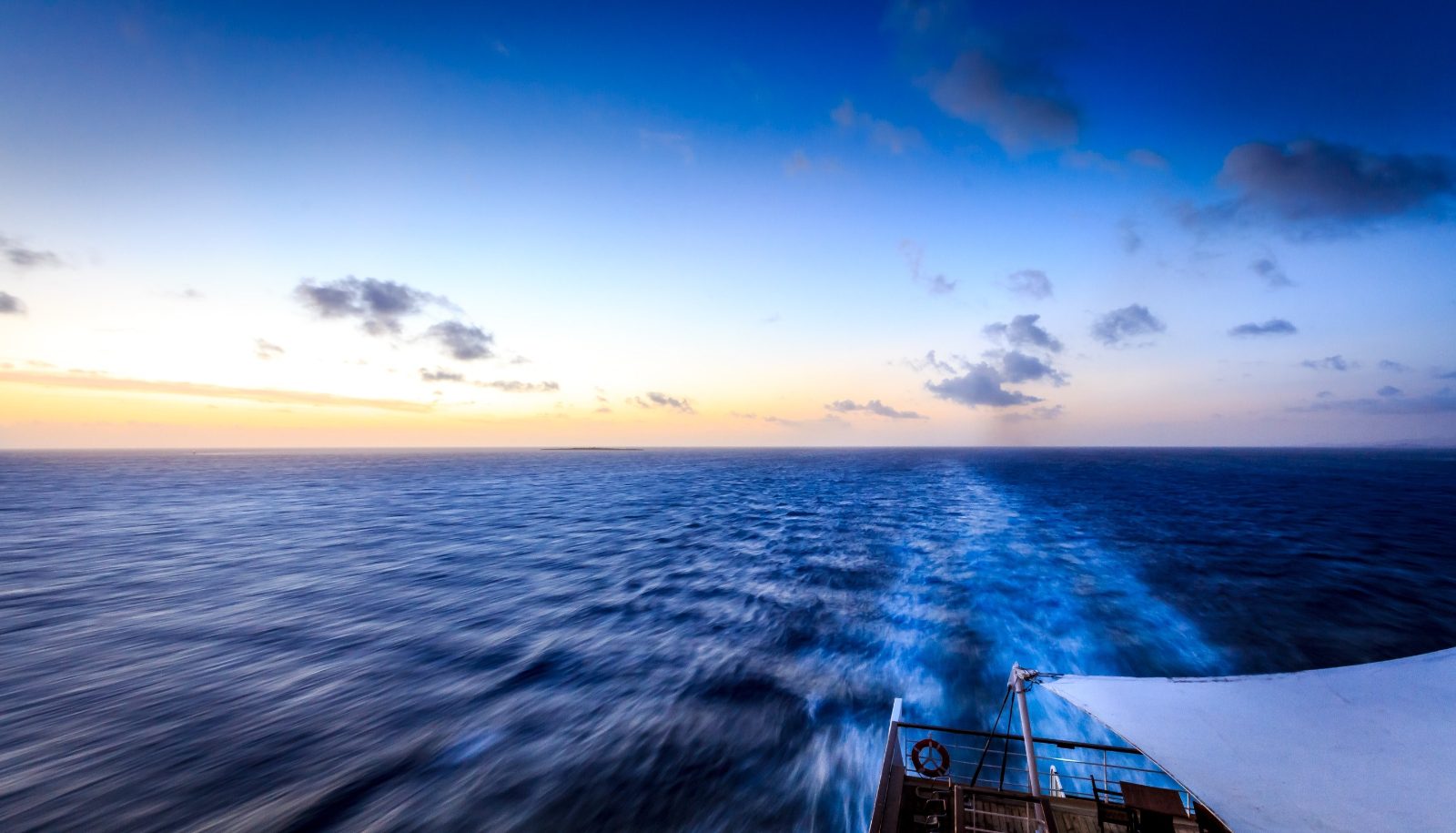
Stand at the back of the boat after the vessel passes through the arch to photograph the natural tunnel from the reverse angle. This spot is effective for capturing the wake and the receding island profile during your Hole In The Rock Cruise tickets excursion.
Exploring the Bay of Islands on a Hole In The Rock Cruise is an engaging experience that brings marine wildlife and coastal geology within reach for school-age children. Proper preparation ensures your family manages the maritime environment comfortably.
Administer preventative medication at least an hour before departure and keep children focused on the distant horizon rather than the deck floor. Staying in the middle of the vessel often minimizes the impact of swells during Hole In The Rock Cruise tours
Ensure children remain seated while the boat is in motion and keep life vests easily accessible near your seating area. Crew members provide specific instructions before the boat approaches the archway, which families should follow precisely
Paihia Wharf offers basic amenities, but onboard facilities vary by vessel; check if your specific Hole In The Rock Cruise tour includes accessible restrooms or dedicated changing stations before boarding. Pack extra layers as the wind chill increases significantly once the boat leaves the sheltered harbor
Bring high-protein snacks and non-carbonated drinks to maintain energy levels throughout the voyage. While some vessels sell refreshments, having familiar items prevents irritability during longer excursions requiring Hole In The Rock Cruise tickets
Real experiences from real travelers
We booked the morning departure and the crew was excellent at pointing out wildlife along the route. Saw bottlenose dolphins playing in the bow wave near Motukokako Island. The passage through the arch itself is surprisingly smooth even with ocean swell. Worth every dollar.
The catamaran was spacious and never felt crowded. Our skipper shared fascinating details about the volcanic geology and Māori navigation history throughout the Bay of Islands. Passing through the natural archway was incredible. The water clarity around the rock formation is stunning.
Departed Paihia wharf right on schedule and the entire Hole In The Rock Cruise took about four hours. We spotted fur seals on the smaller islands and the crew provided good commentary without being overbearing. The arch passage is the main event but the entire route through the islands is beautiful.
We had partly cloudy conditions which made photography a bit tricky. The boat handled well and the crew was professional. Seeing the rock formation up close is impressive. I'd recommend checking the marine forecast before booking as sea conditions really affect the experience through the opening.
The scale of the archway doesn't show well in photos. Being on the water and passing beneath it gives you a real sense of the geological forces that shaped Motukokako. We took the afternoon sailing and the light on the rock face was golden. Crew was friendly and knowledgeable.
The journey through the Bay of Islands is just as rewarding as the destination. Clear water, numerous small islands, and frequent seabird sightings. The natural stone arch passage is thrilling. Our guide explained the tidal currents that carved the opening over thousands of years.
I've lived in Northland for years and finally did this tour with visiting family. The Hole In The Rock Cruise operators know exactly when to time the passage for calm conditions. We saw orca in the distance on the return leg. The catamaran is stable and comfortable.
Booked online the night before and had no issues. The approach to Motukokako Island builds anticipation perfectly. When you finally glide through the archway the perspective shifts completely. Saw several pods of common dolphins. The crew's respect for marine life and the environment was evident throughout.
Our kids loved watching for dolphins and the excitement of cruising through the rock opening. The vessel has good shade and seating. Commentary was informative without being dry. The entire Bay of Islands route showcases why this coastline is so special. Pack layers as it gets breezy on deck.
The water around the islands is an unreal shade of blue. Our captain navigated through the arch smoothly despite some swell. We lingered near the formation for photos and the crew was patient. Seeing fur seals basking on the rocks and gannets diving nearby made the trip even more special.
Everything you need to know for your journey
The cruise operator is open daily from 07:00–19:00.
You can book Hole In The Rock Cruise tickets via the official website or at the Paihia Wharf.
Vessel accessibility varies, so please confirm specific requirements for your Hole In The Rock Cruise tour before booking.
Bring sunscreen, a camera, a light jacket, and a swimsuit for your Hole In The Rock Cruise.
Cancellations for your Hole In The Rock Cruise are refundable if made more than 24 hours before your departure time.
The best arrival window for your Hole In The Rock Cruise is 08:30–14:00 to ensure calm sea conditions.
There are no strict age limits, but parents should ensure children are secure on the Hole In The Rock Cruise.
Yes, spotting dolphins and whales is a common feature of the Hole In The Rock Cruise.
Please head to the Paihia Wharf on Marsden Road to begin your Hole In The Rock Cruise.
Join thousands of happy travelers who have discovered this incredible experience
Book Your Experience Now