4 hr 30 min
Bay of Islands Hole in the Rock Cruise with Twin Island Landings
- Entry ticket
- Mobile voucher
- Valid same day
- Free cancellation
Hole in the Rock Cruise — Catamaran & Island Landing Tours
Through the arch at Motukokako, across sheltered waters where dolphins hunt
Compare fares, pick the fit — all bookings are mobile-voucher and eligible for free cancellation where shown.
4 hr 30 min
4 hr 30 min
3 hr
Selecting the right hole in the rock cruise bay of islands experience depends on whether you prefer a quick scenic transit or a more immersive island-hopping adventure. These official hole in the rock cruise bay of islands tours provide varying levels of access to the Cape Brett peninsula and local marine life.
| Standard Cruise Island Stopover | Scenic Express No Stops | |
|---|---|---|
| Duration | 4.5 hours | 3 hours |
| Island Access | Otehei Bay included | None |
| Marine Mammal Viewing | Yes | Yes |
| Best for | First-timers | Time-constrained travelers |
Verdict: For the best value and local exploration, first-time visitors should choose the Island Stopover hole in the rock cruise bay of islands tickets.
Worth it for geology fans and first-time Bay visitors
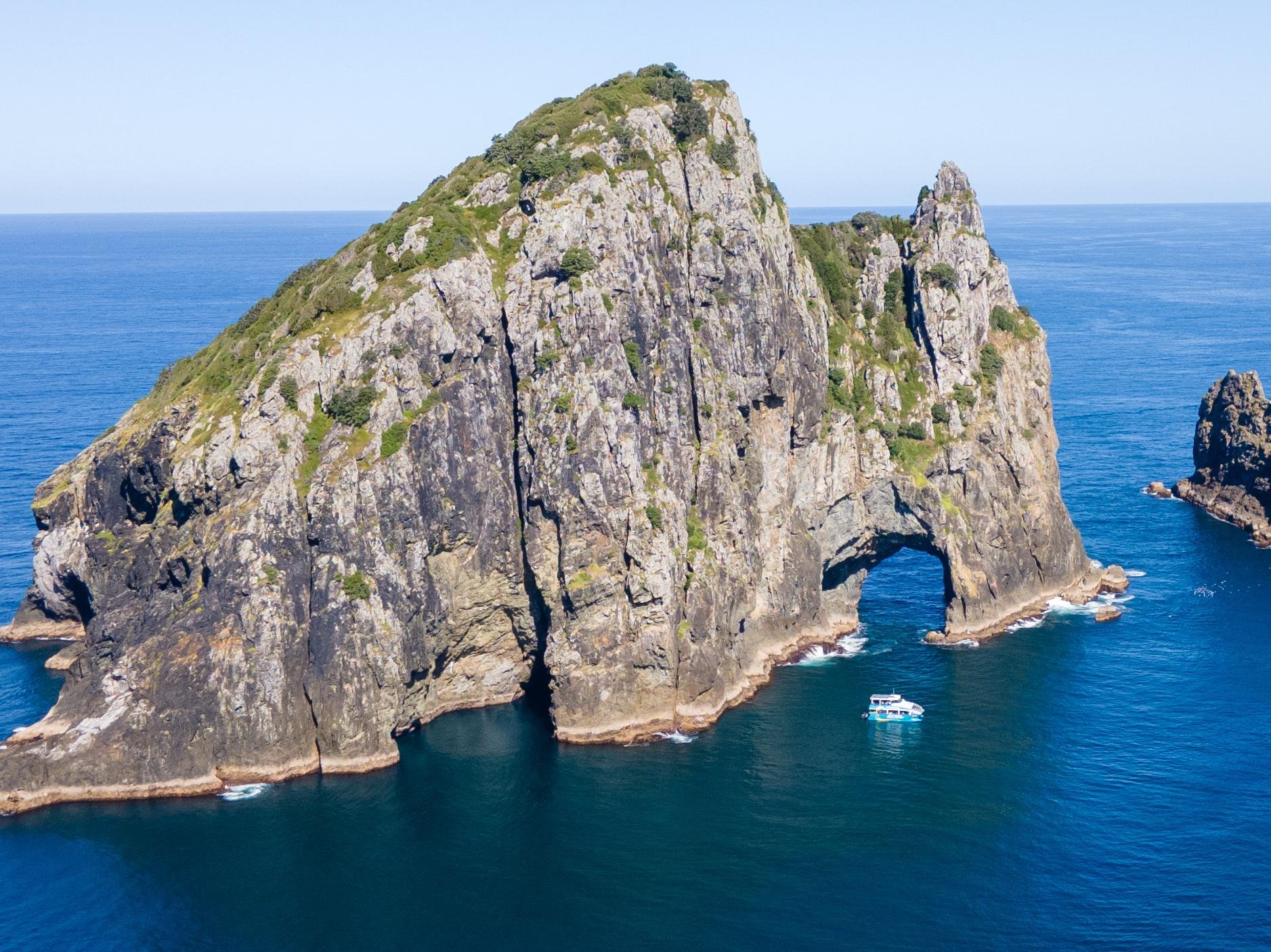
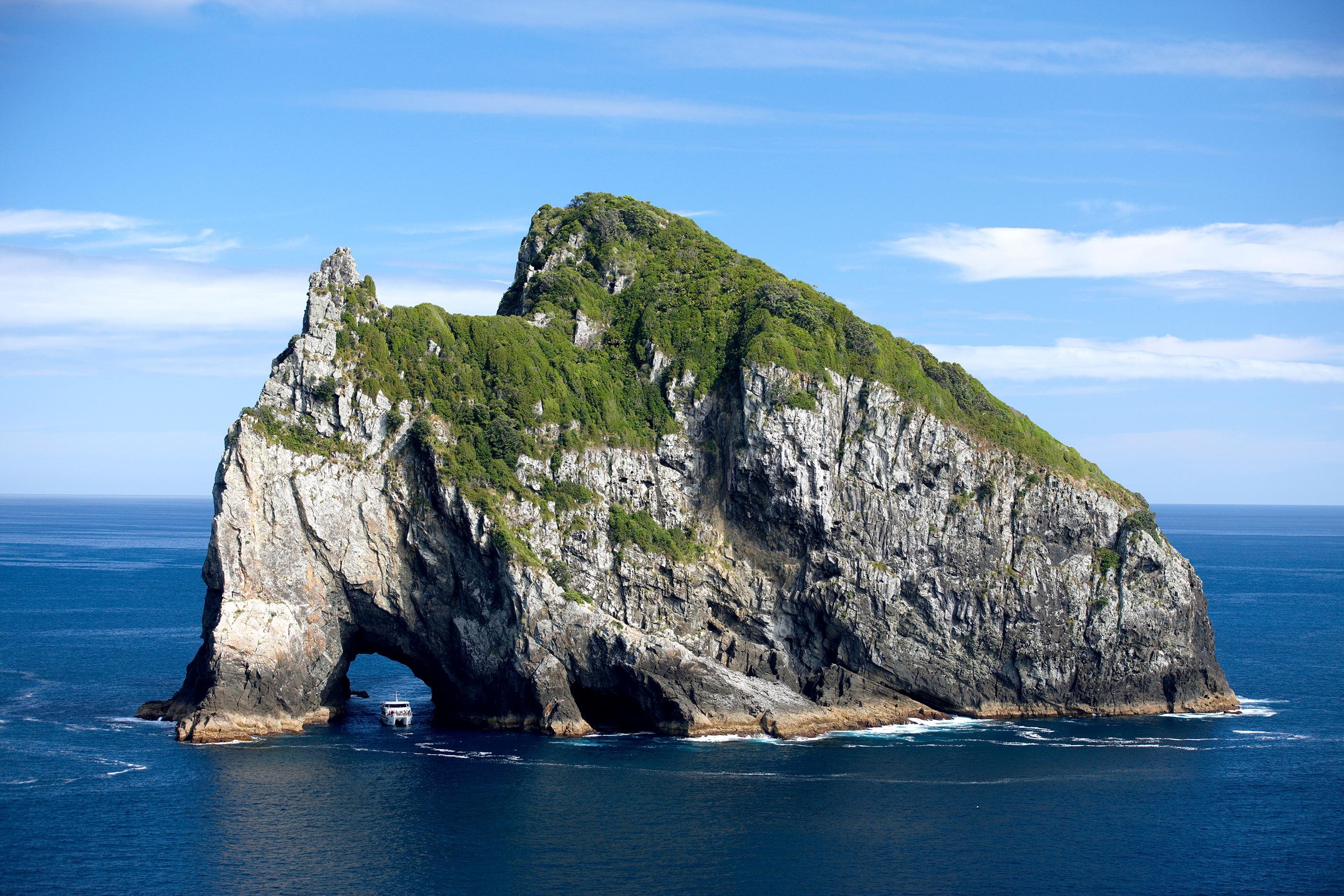
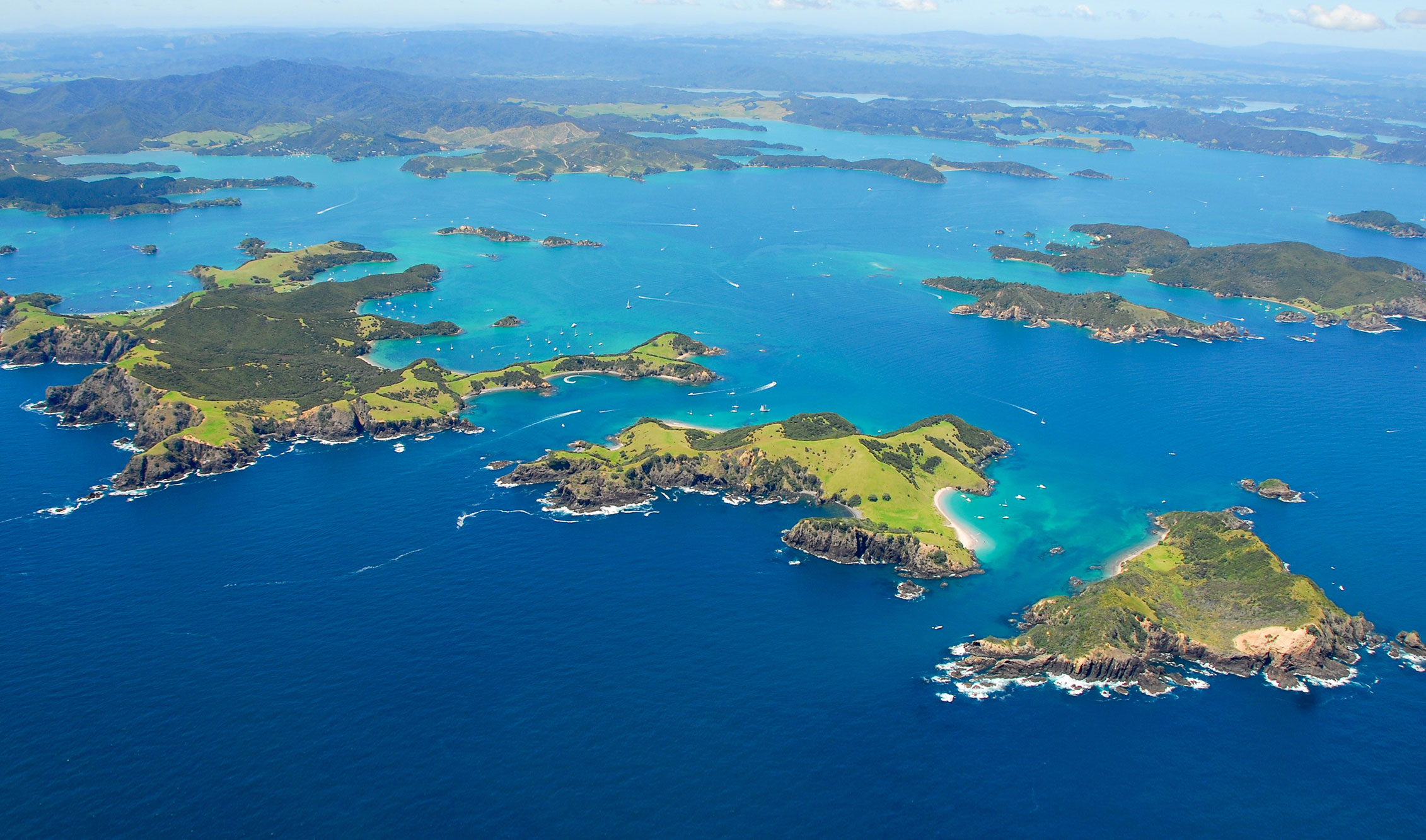
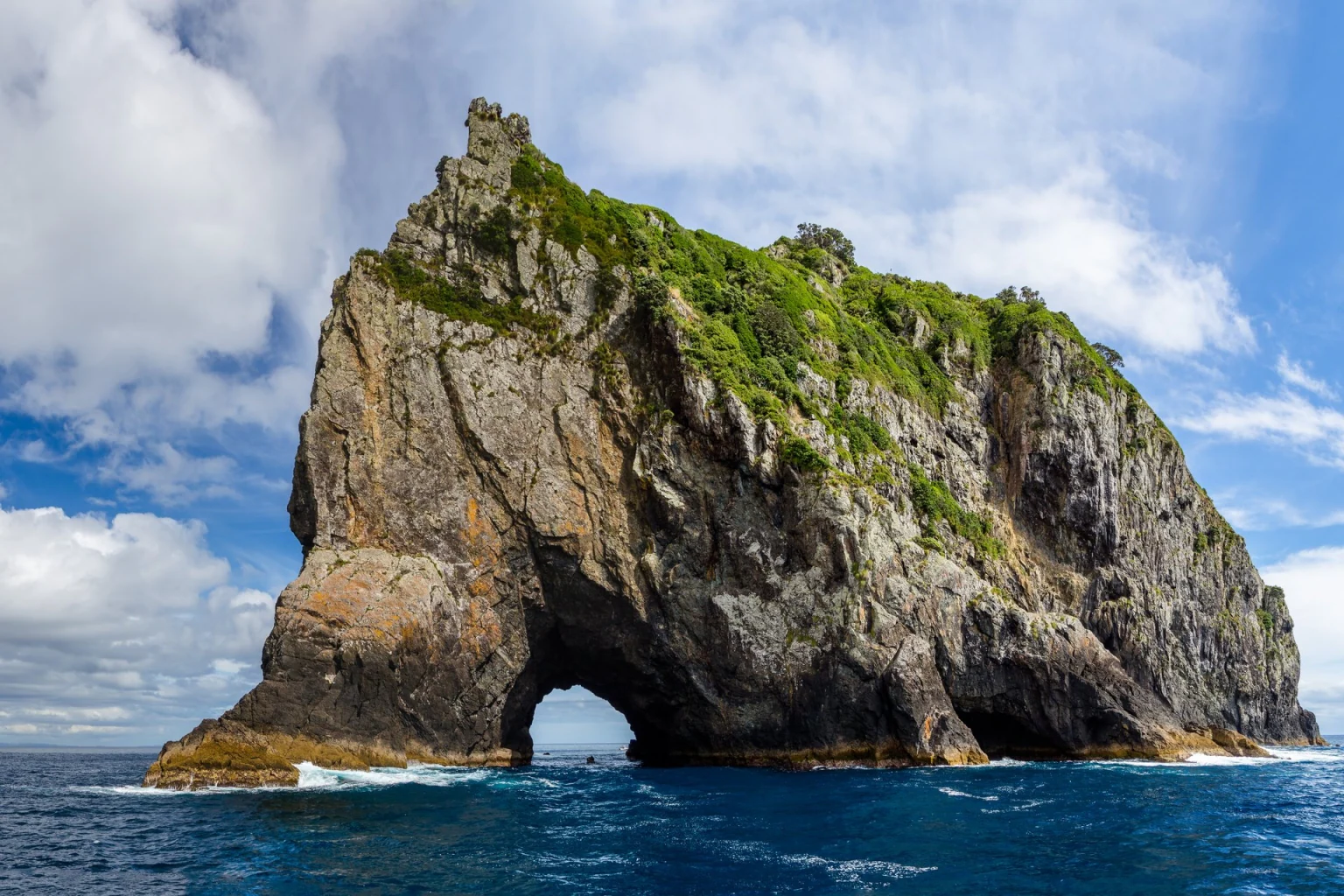
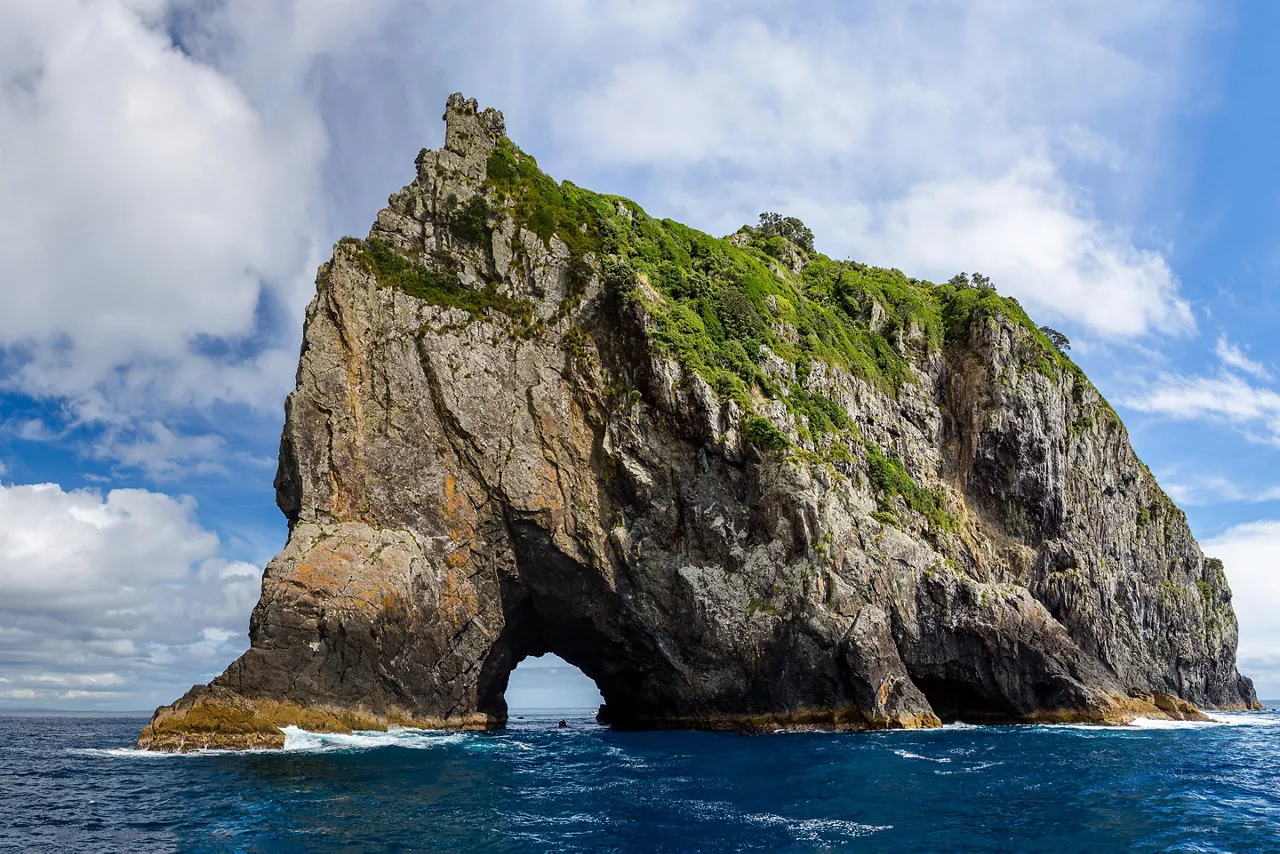
A hole in the rock cruise bay of islands delivers a singular geological encounter: you glide through a natural arch carved by millennia of wave action into the Motukokako headland. The passage itself takes seconds, yet the approach across the outer bay—past scattered islands, dramatic sea cliffs, and Cape Brett lighthouse—turns the journey into a two- to four-hour maritime voyage, depending on which tour you book. Operators offer catamaran options with dolphin-watching segments, island landings at Roberton or Twin Islands for swimming and short walks, and scenic loops that showcase the wider archipelago. Fair-weather visitors gain the most: calm seas let the skipper navigate the narrow channel, while rough conditions force a perimeter view. The cruise trades depth for breadth—you witness the arch rather than explore it—so the value hinges on whether you prize the Bay of Islands' coastal scenery and the novelty of threading a sea-carved aperture over extended shore time.
Bottom line: Book hole in the rock cruise bay of islands tours if coastal geology and island panoramas justify the cruise duration for you.
Most visitors who seek a high-energy maritime excursion prefer the hole in the rock cruise bay of islands, while those prioritizing a relaxed, wind-powered pace often choose a sailing adventure.
|
Top pick Hole in the Rock Cruise |
Sailing Cruise | |
|---|---|---|
| Focus | Natural landmark arch exploration | |
| Marine life | Dolphin and whale sightings | |
| Duration | 3–4.5 hours | |
| Vessel type | Large power catamaran | |
| Atmosphere | High-energy guided commentary | |
| Island access | Includes Otehei Bay stopover | |
| Best for | Bucket-list landmark enthusiasts | |
| Booking | Advance tickets recommended | |
| See tickets & prices |
Verdict: Choose the hole in the rock cruise bay of islands tours for the iconic arch passage and wildlife spotting, or opt for a sailing cruise if you prefer a quieter, longer, and more leisurely day on the water.
Hand-picked experiences loved by thousands of travelers
3 hours
Free Cancellation
Three-hour maritime adventure through 144 islands with wildlife spotting and scenic island stopover
4.5 hours
Free Cancellation
Intimate small-group voyage through 144 islands with two secluded stops, snorkeling, and wildlife encounters
8.5 hours
Free Cancellation
Eight-hour voyage through Bay of Islands visiting the iconic Hole in the Rock and a secluded island beach
4.5 hours
Free Cancellation
Half-day catamaran voyage through 144 islands with wildlife spotting, Hole in the Rock passage, and beach stopover
1.5 hours
Free Cancellation
High-speed catamaran ride through 144 islands with wildlife spotting and cave exploration
12 hours
Free Cancellation
Journey north for a catamaran adventure through 144 islands, dolphin sightings, and the famous Rock Arch
2 days
Free Cancellation
Journey through ancient forests, sacred Māori sites, and island-studded bays on this immersive Northland escape
13 hours
Free Cancellation
Cross Auckland Harbour Bridge to explore 144 islands, cruise through Hole in the Rock, and watch for dolphins
Meet at the main pier for your hole in the rock cruise bay of islands
View various islands and marine life
Passing through the sea cave
Relaxed cruise back to the wharf
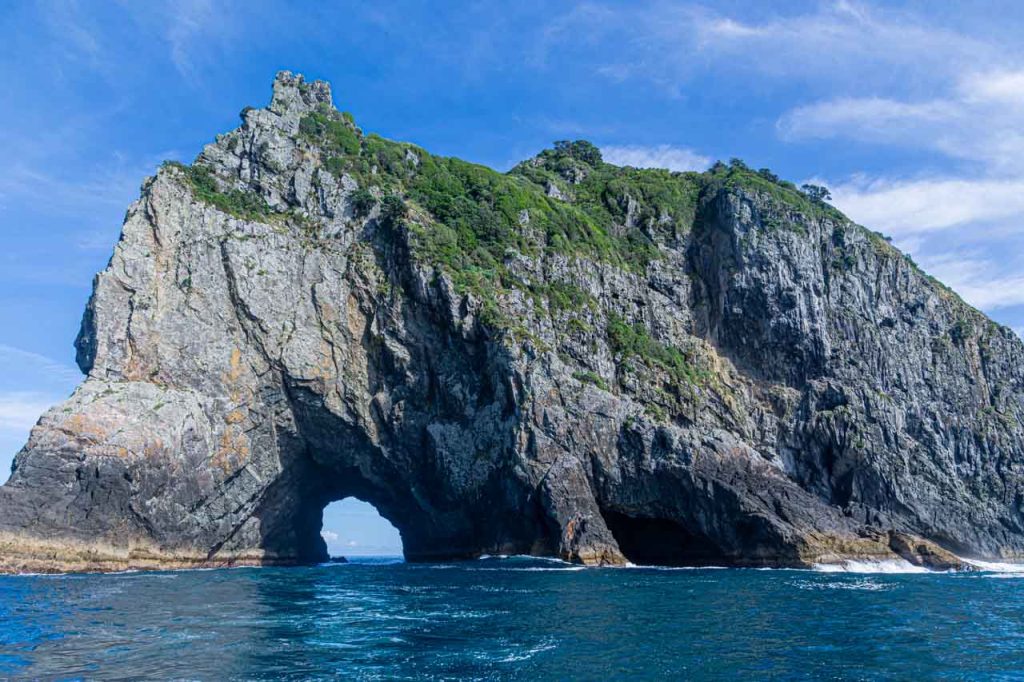
This is the specific island where the natural arch formation is located. It is a site of significant cultural and geological interest to local residents
Cape Brett Lighthouse
Piercy Island
Marine Wildlife Zone
Cathedral Cave
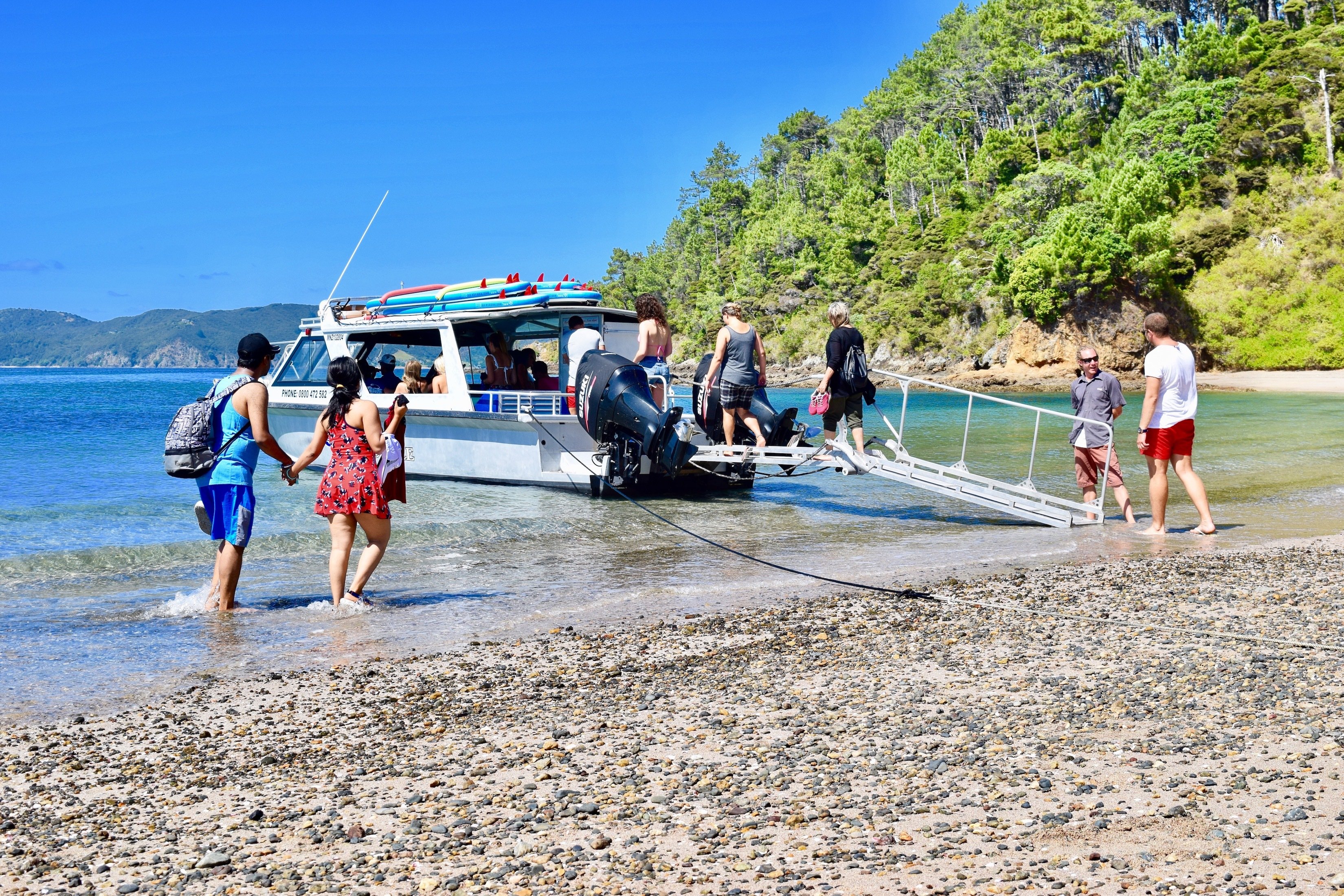
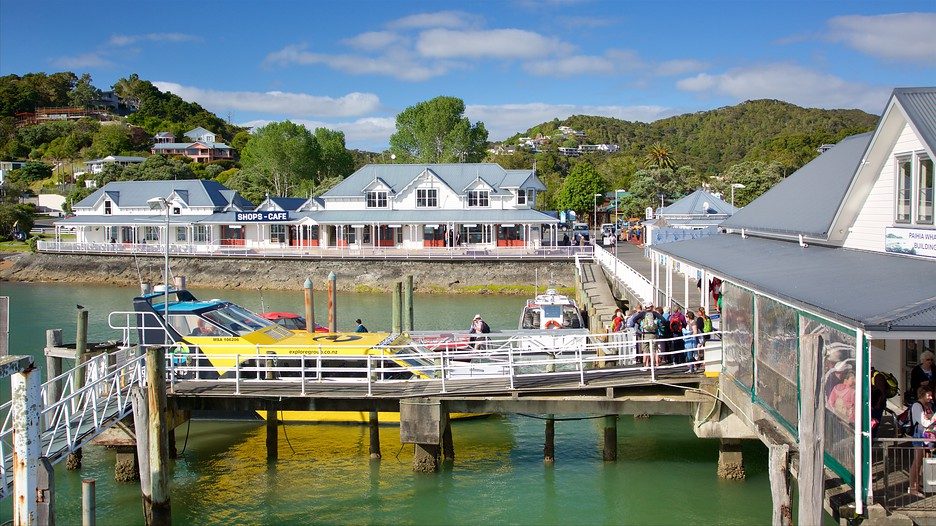
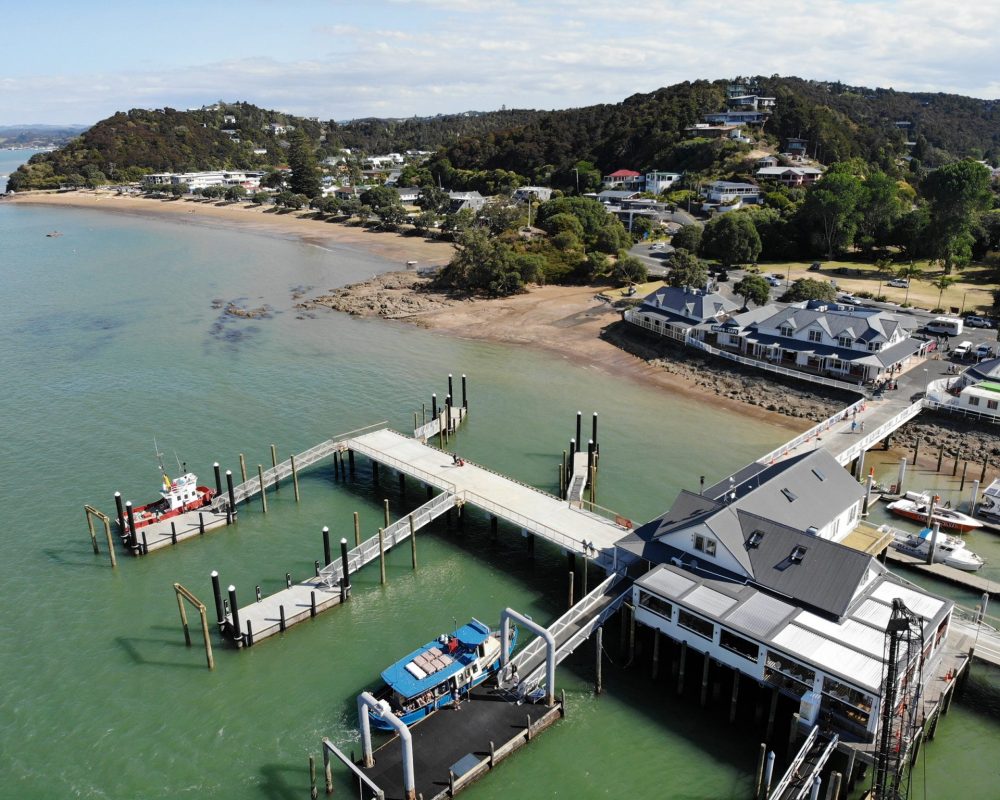
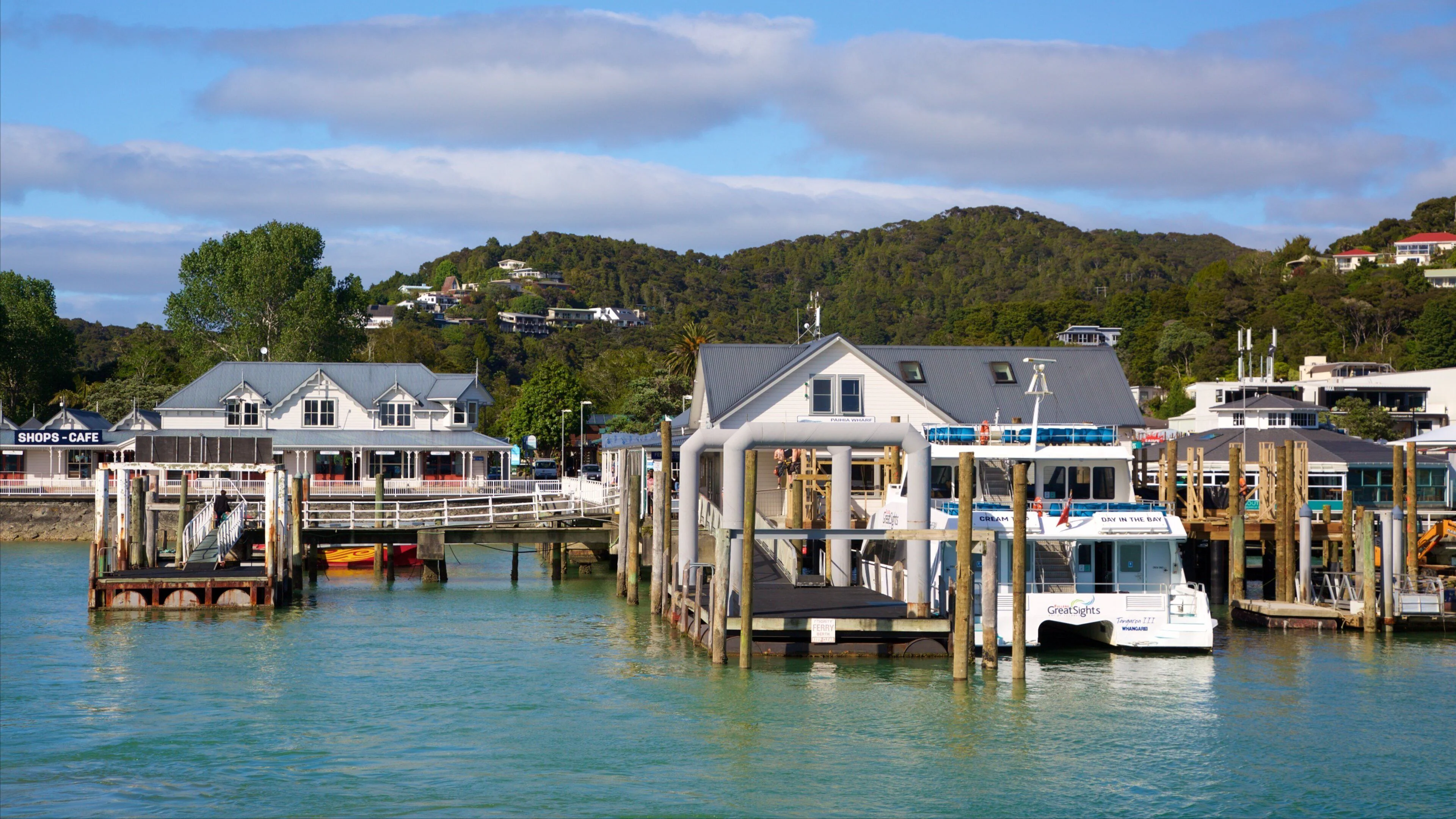
You board at Paihia Wharf between 0800 and 0900, stepping onto the port-side pontoon where crew check vouchers and assign deck zones. The catamaran clears the breakwater within five minutes, turning northeast into the Russell channel. Wind drops as the hull enters the lee of Tapeka Point.
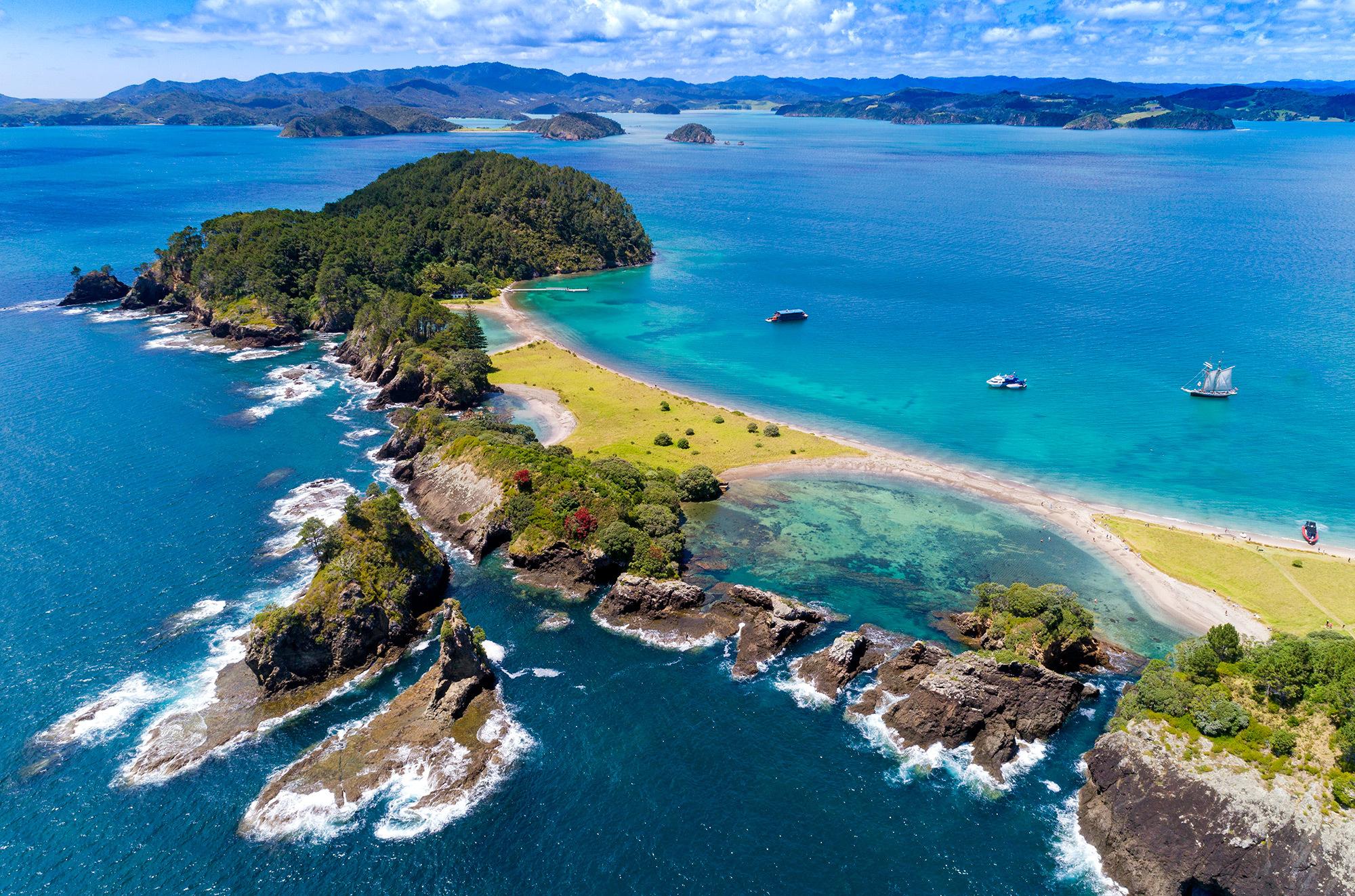
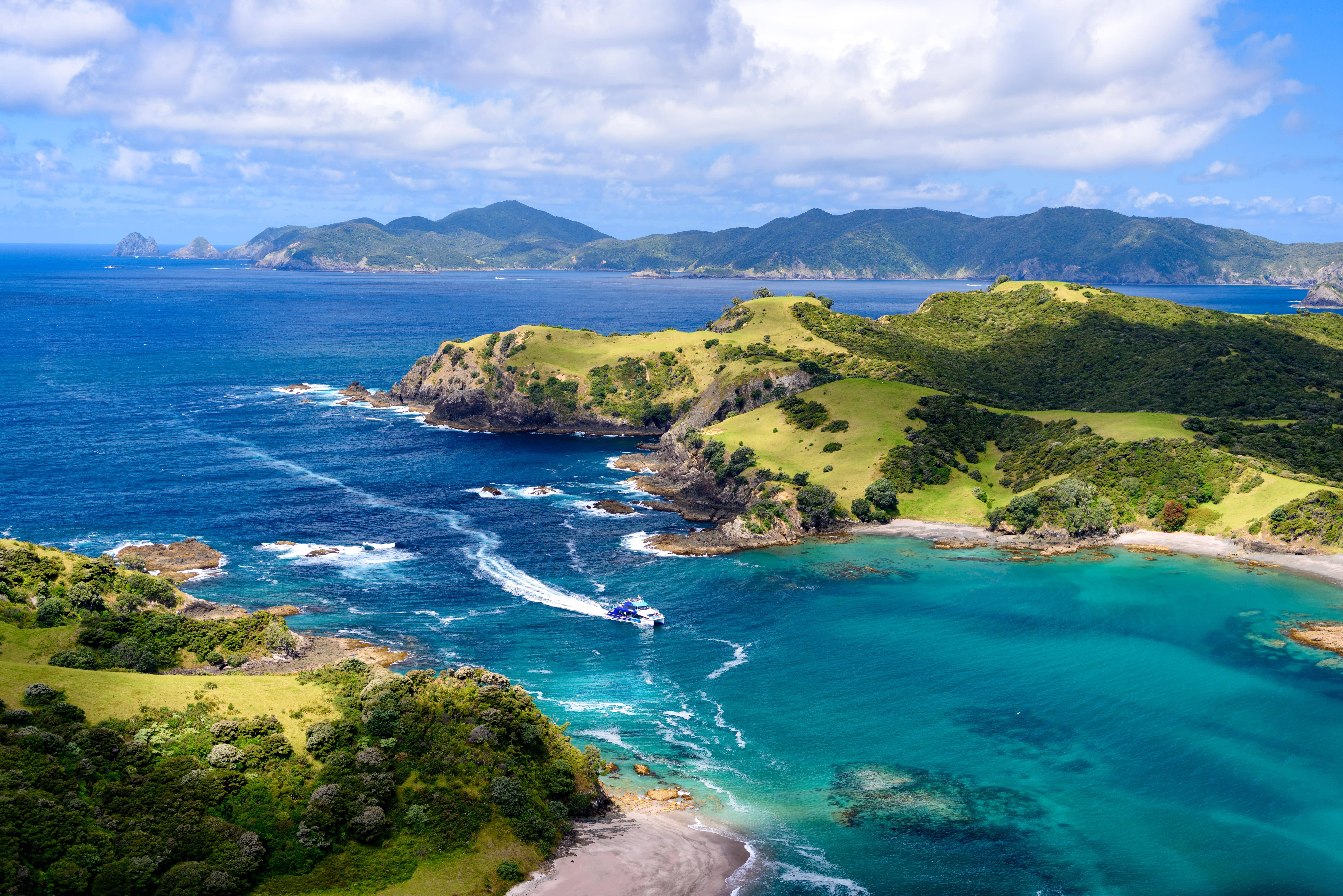
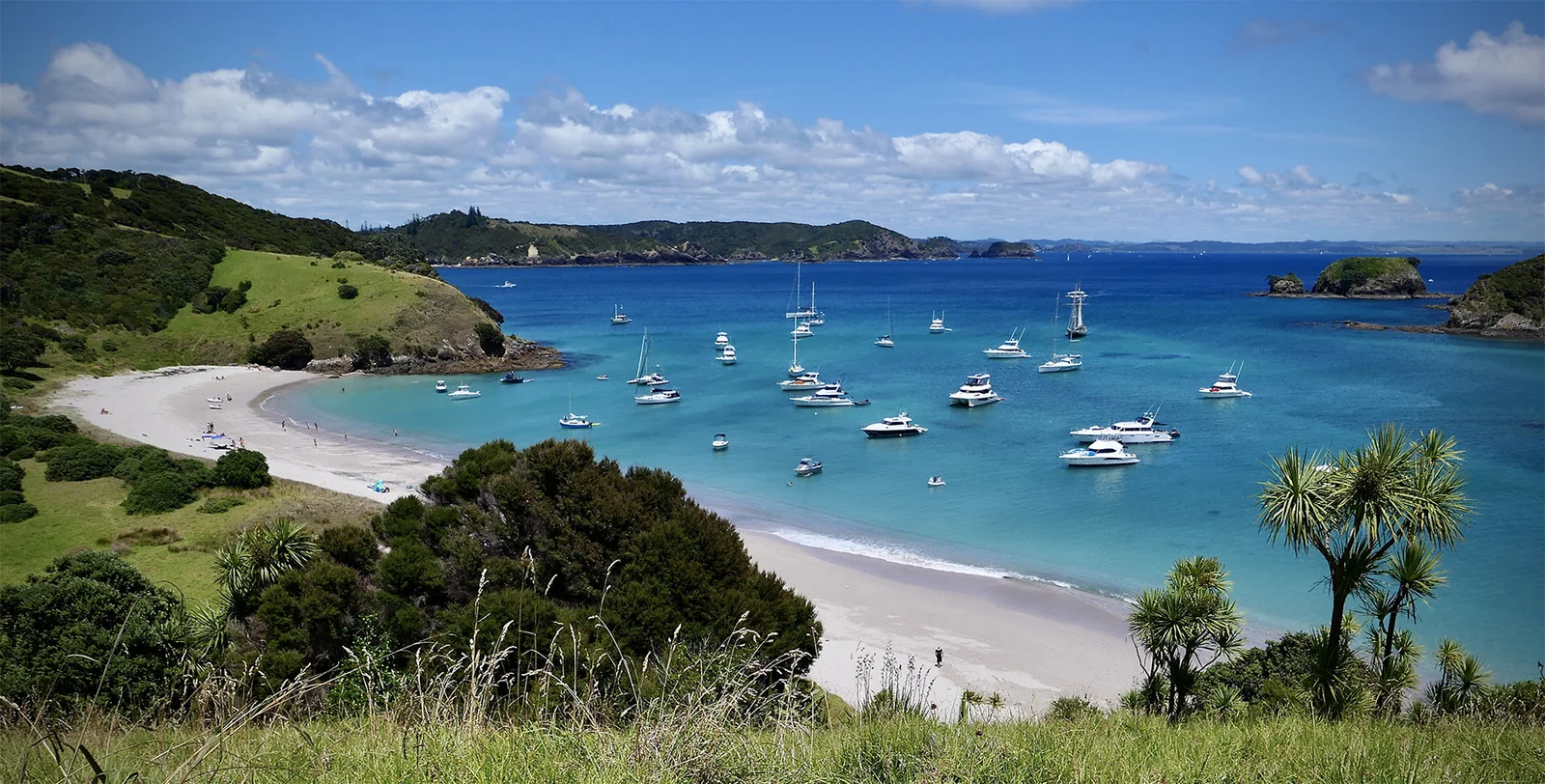
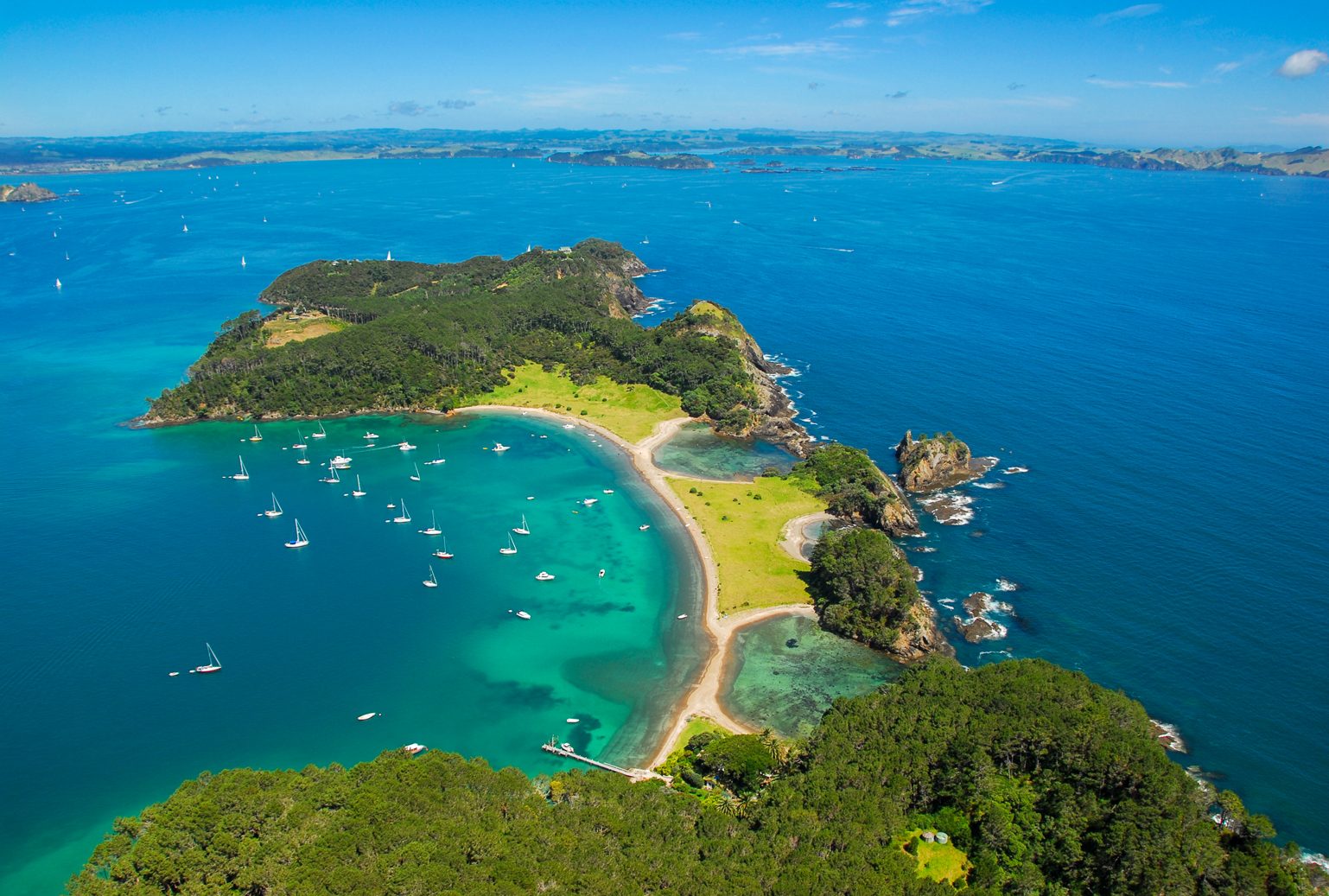
You pass Roberton Island 20 minutes out — its crescent beach visible through the cabin windows — then the engine note shifts as the captain throttles down approaching Motukokako.
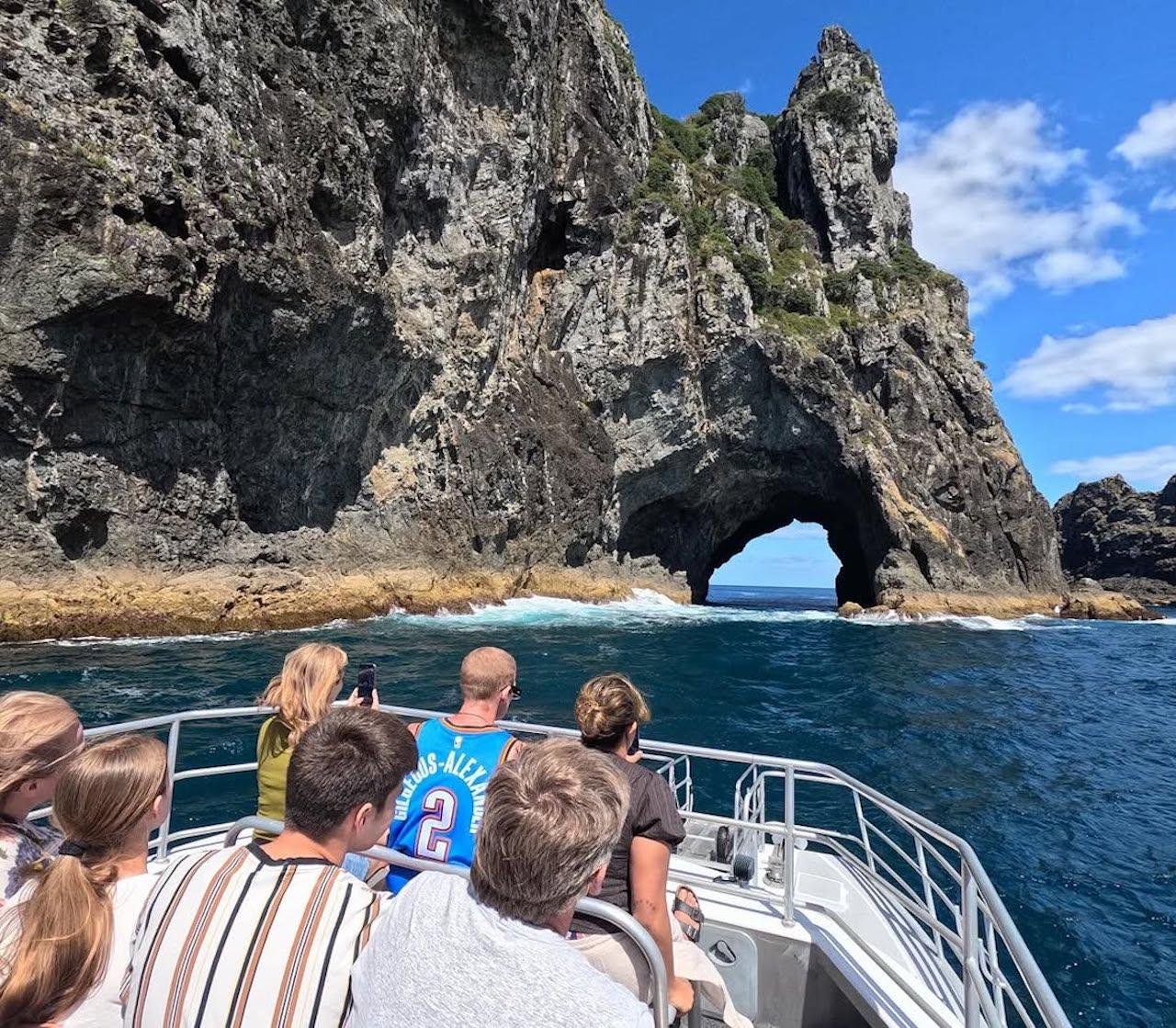
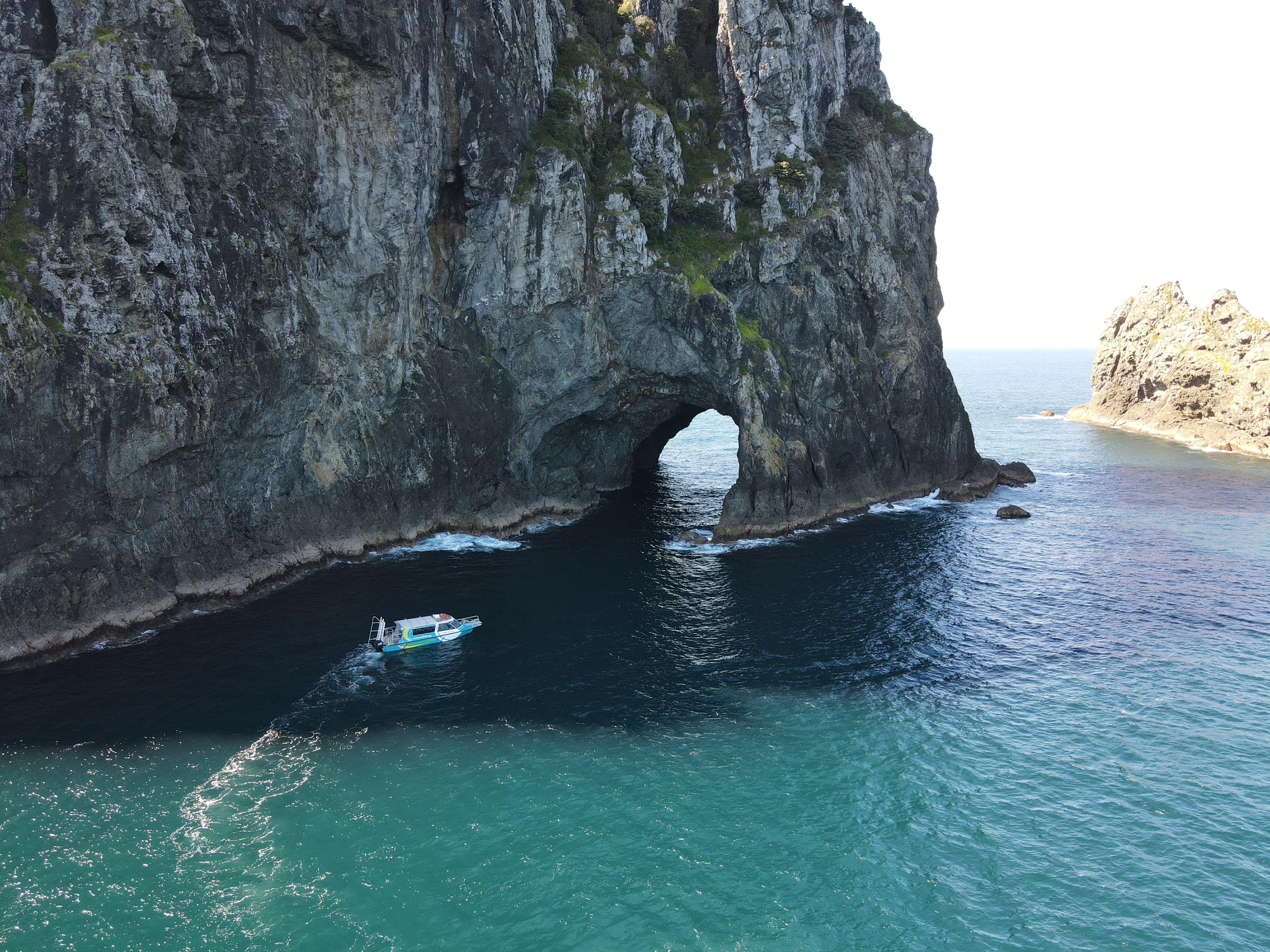
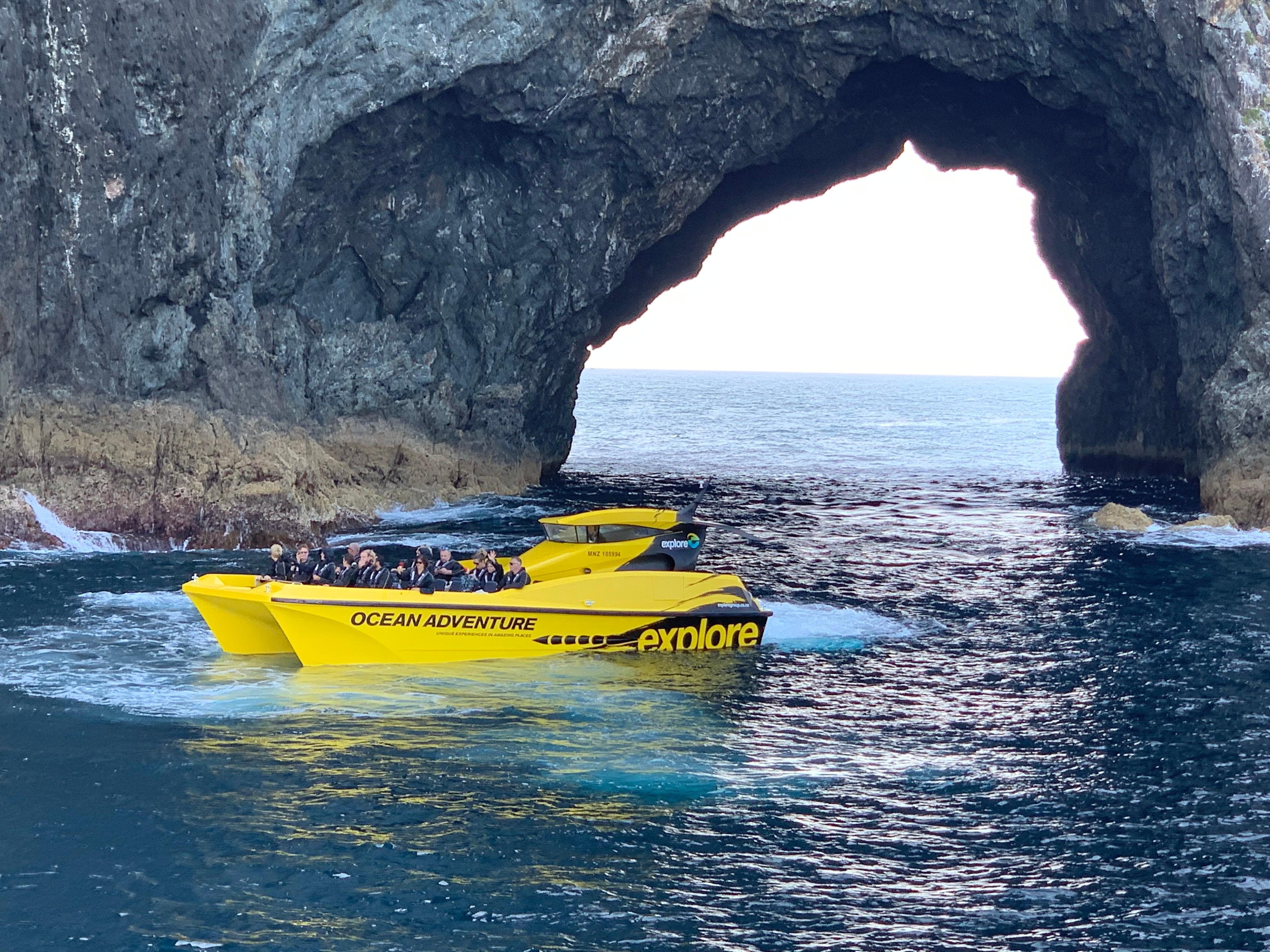
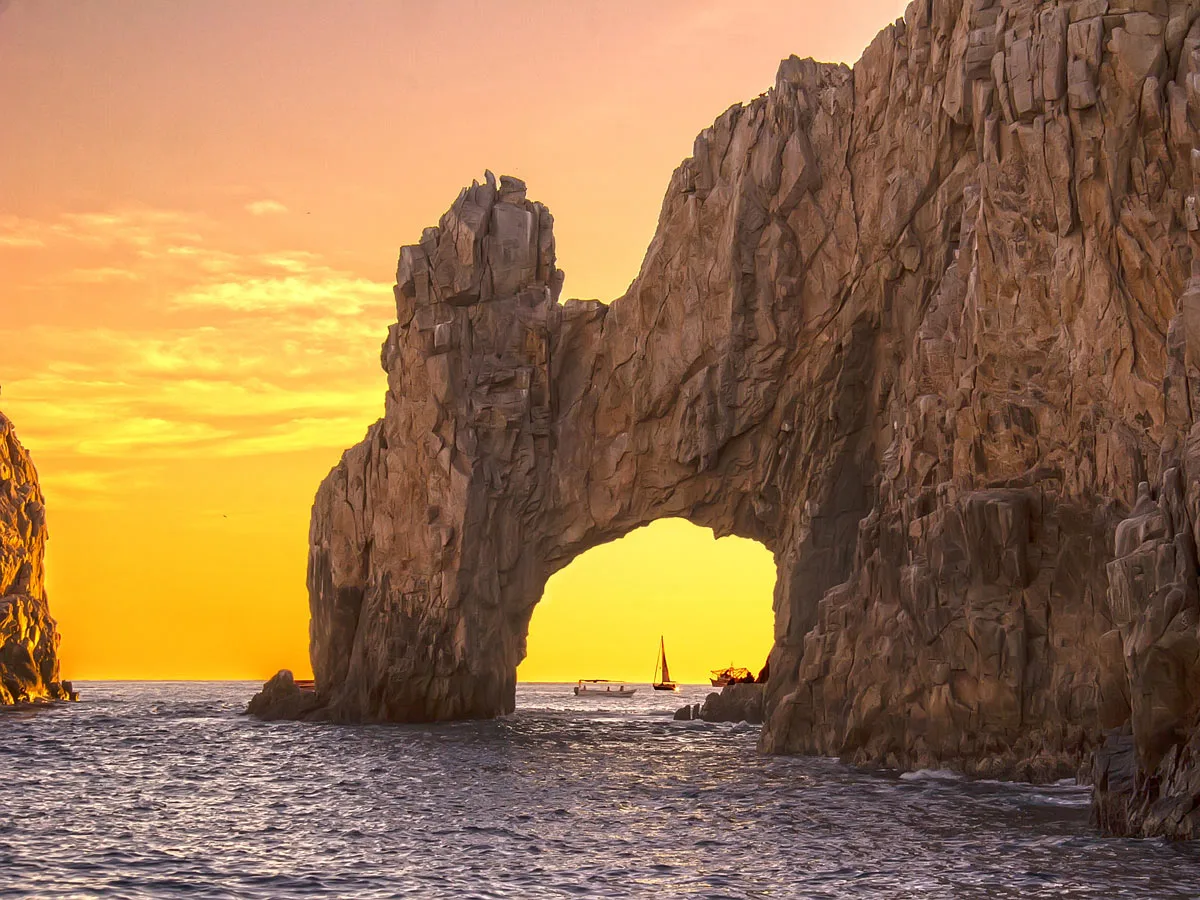
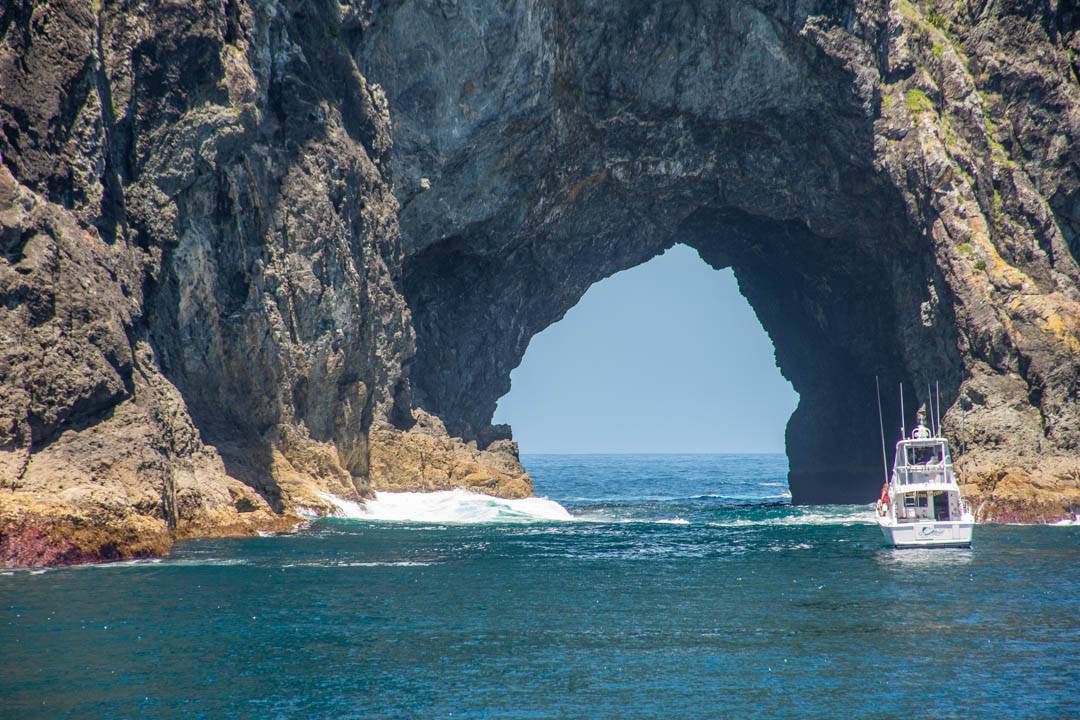
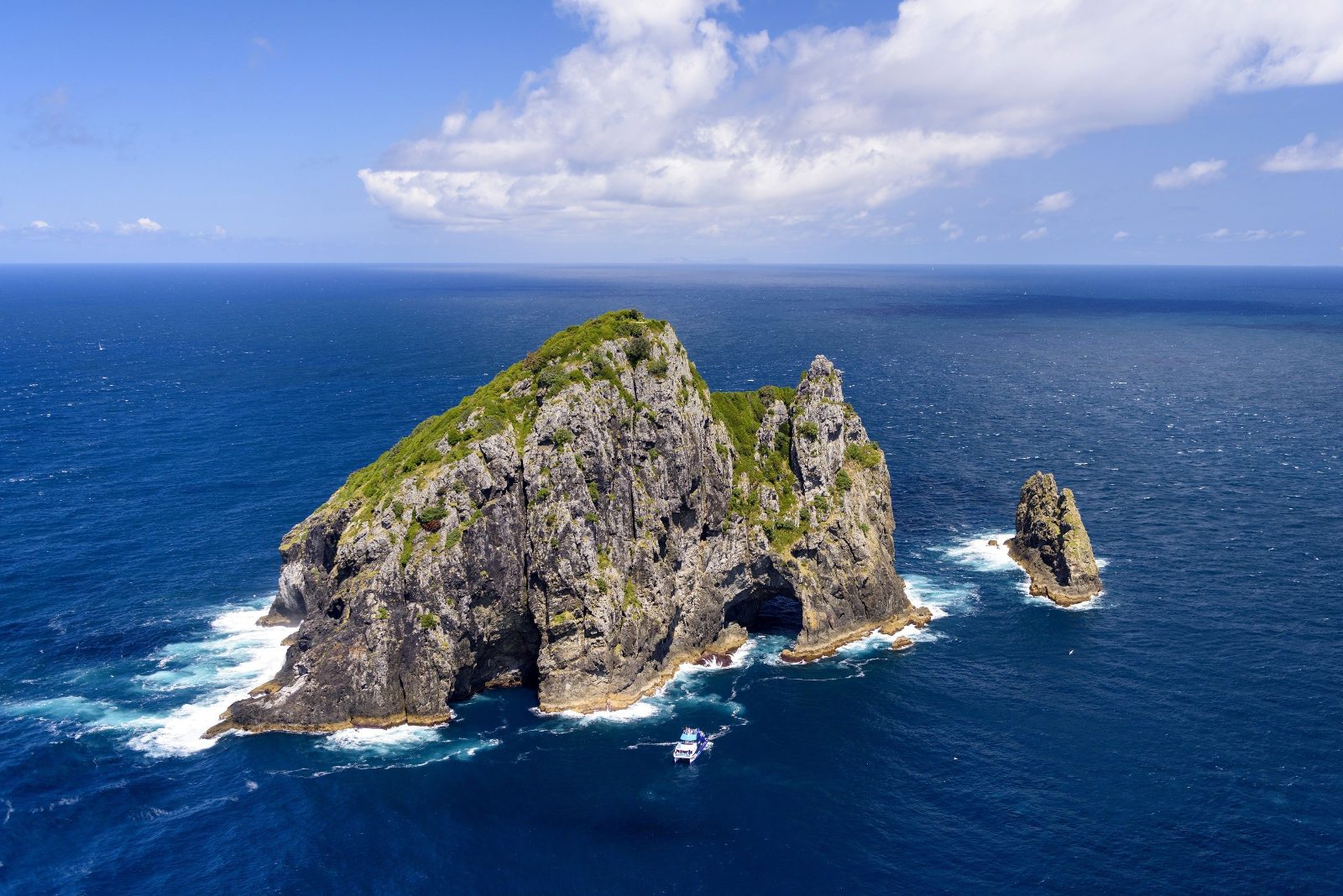
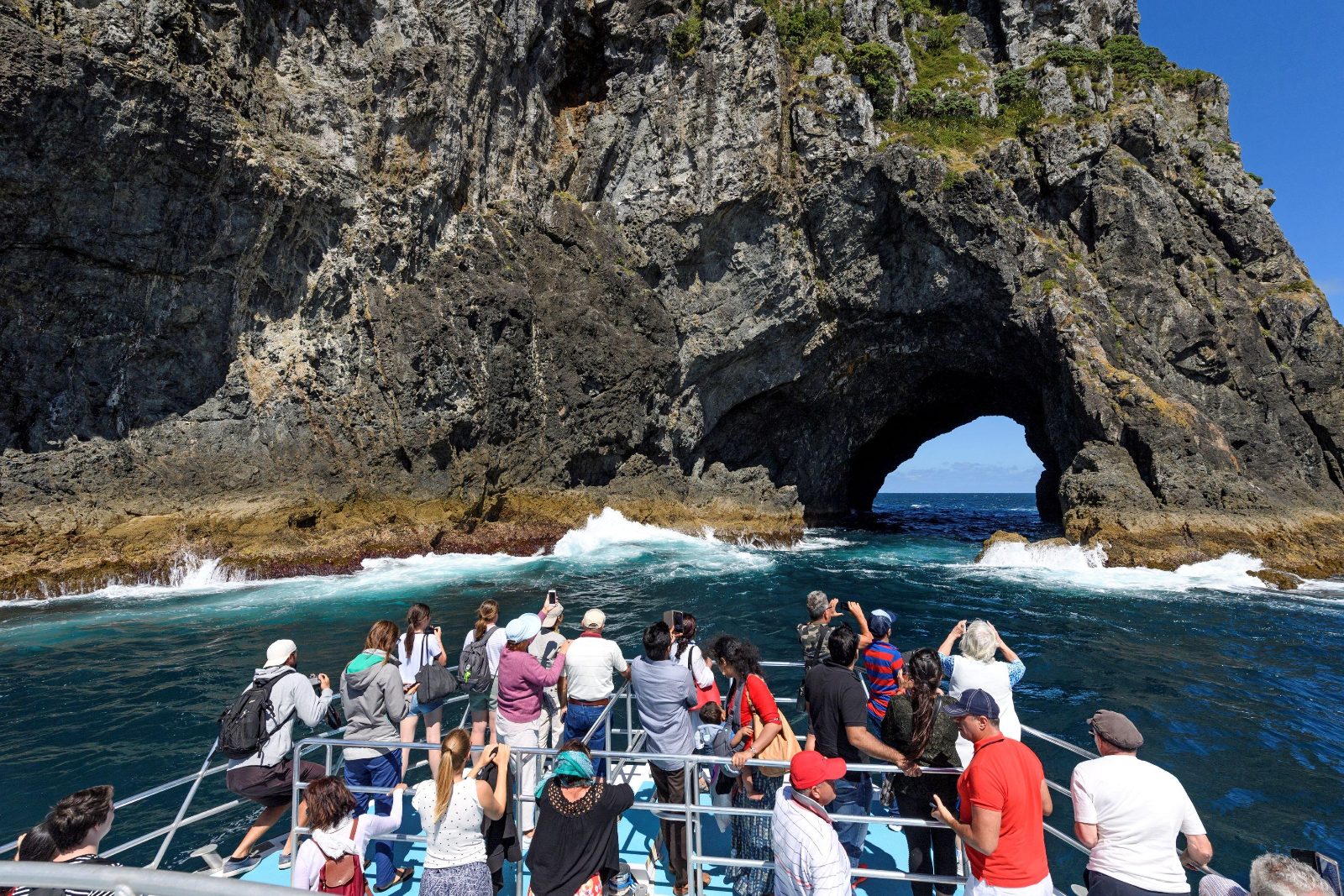
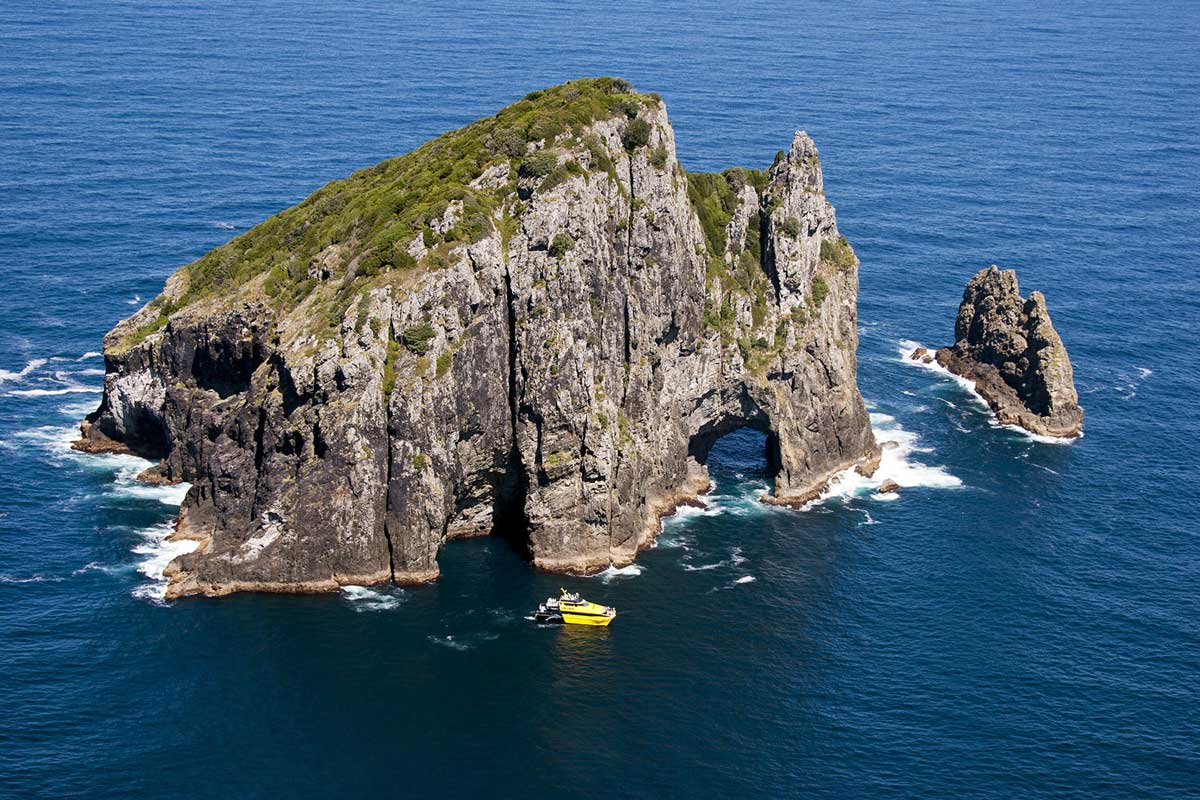
The volcanic plug rises 50 metres above the waterline, its eastern face perforated by the sea arch. Swells funnel through the opening, creating a three-knot current that requires precise helm control. The catamaran aligns with the passage and accelerates, clearing the span in eight seconds. Passengers crowd the bow rail as the vessel emerges into open ocean, where cormorants nest on ledges 12 metres overhead.
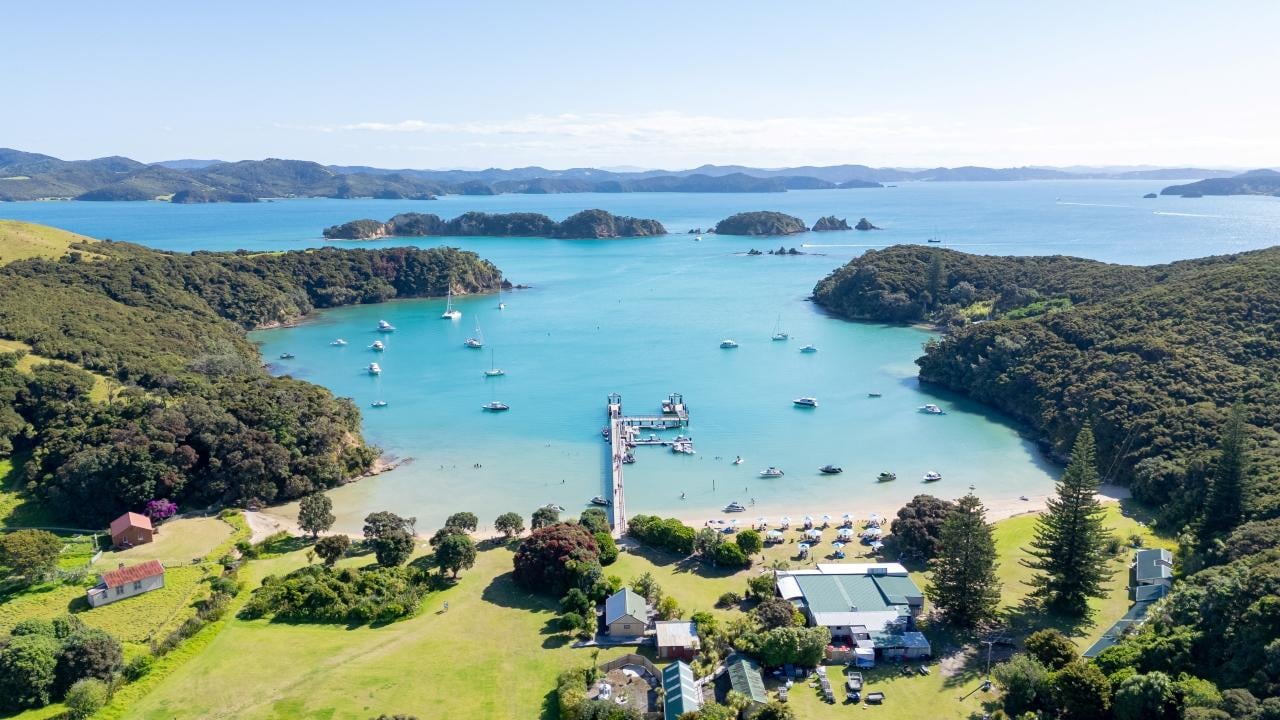
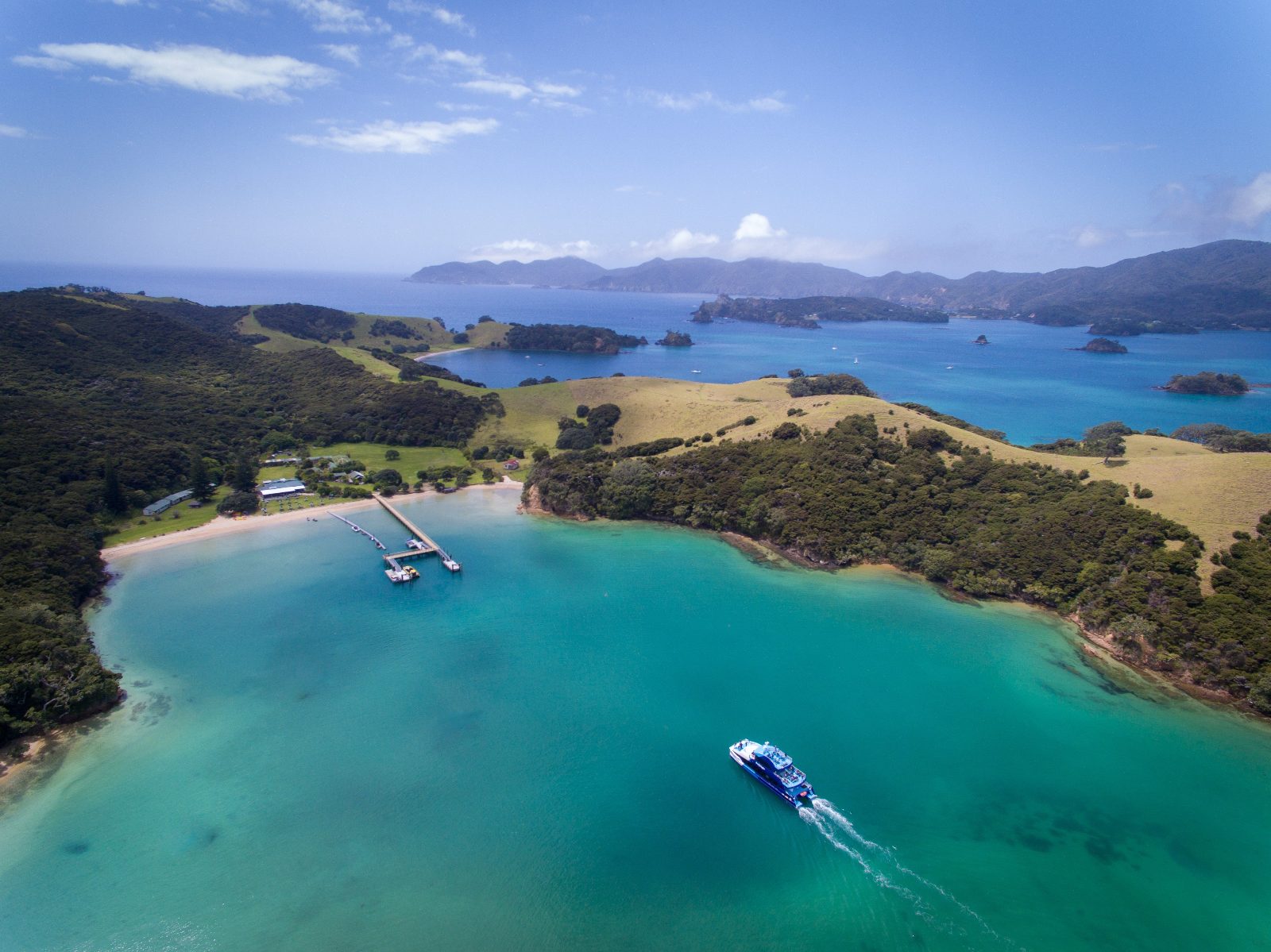
The return leg includes a 35-minute landing on Urupukapuka or Moturua Island. You disembark onto white sand, following a bush track that climbs 40 metres to a grass clearing with sightlines across the inner bay. Dolphins surface near the anchorage — dorsal fins cutting tight arcs — before the crew sounds the boarding horn. You re-embark and the catamaran turns southwest, reaching Paihia Wharf by early afternoon as the tide begins to ebb.
All the details about your upcoming adventure in one place
The volcanic sea arch at Motukokako — known to most visitors as Piercy Island — was carved by millennia of wave action into a passage 18 metres wide and 15 metres high at mean tide. Māori oral tradition records the island as a waka shelter, its lee waters offering refuge during east-coast storms.
European surveyors charted the feature in 1769 during Cook's first Pacific voyage, though the opening was judged too narrow for naval transit. Today the hole in the rock cruise bay of islands departs Paihia Wharf hourly between 0730 and 1400, threading the arch only when sea swell remains below 1.5 metres and wind speed drops beneath 25 knots — conditions met on roughly 200 days per year.
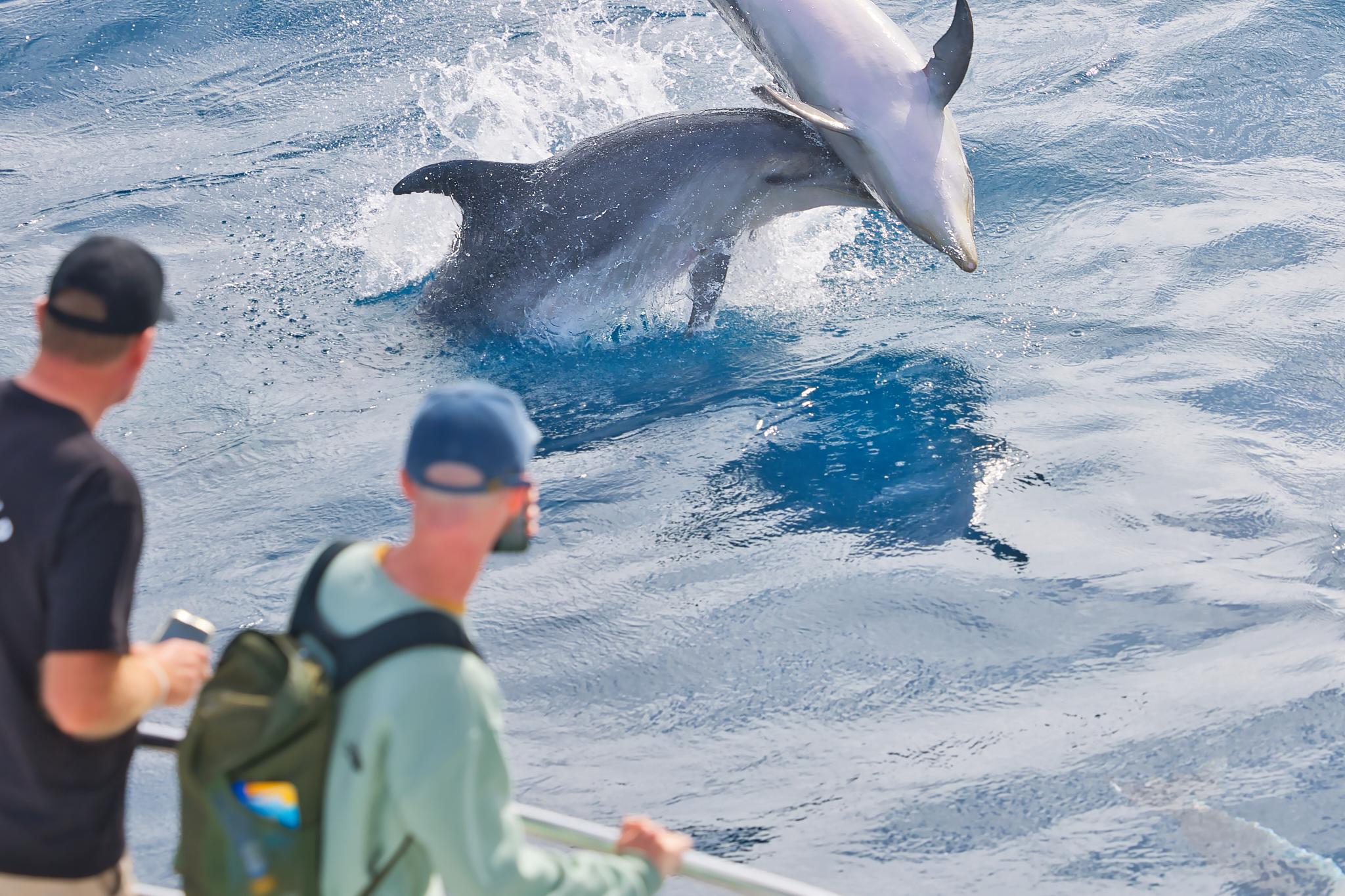
The 144 islands scattered across the bay form New Zealand's densest marine reserve cluster. Bottlenose dolphins patrol the eastern channels year-round, their pods numbering between 80 and 120 individuals. Fur seals occupy the western rocks from May through October. The cruise route passes Roberton Island, where Captain Cook anchored in November 1769 to replenish water casks, and Moturua Island, site of a Department of Conservation revegetation program that has returned 300,000 native saplings to cleared pasture since 2001.
Catamarans operated under Department of Conservation permits hold between 60 and 150 passengers. Twin-hulled vessels draw less than two metres, enabling landings on sand beaches inaccessible to deeper-draft craft. Island stopovers last 30 to 45 minutes, sufficient time to walk the coastal bush tracks or wade the shallows. The hole in the rock cruise bay of islands tour spans three to five hours depending on route; longer sailings add a second island or extend into outer reef waters where orca sightings peak between January and March. All operators maintain real-time radio contact with the Paihia harbour master, who issues daily sea-state advisories at 0600. When conditions prevent passage through the arch, vessels circle the seaward face and return via the sheltered channel — the reef geology and marine life remain the same, only the framing shifts.

The opening was judged too narrow for naval transit.
Wear warm, windproof layers even in summer, as sea breezes are common on the water. Flat, non-slip footwear is mandatory for safety while moving about the vessel.
Only small, soft-sided bags are permitted on board due to limited storage. Security checks may be conducted by crew members before boarding your hole in the rock cruise bay of islands.
Handheld cameras and mobile devices are welcome throughout the cruise. Avoid using tripods or bulky equipment that could obstruct walkways on the boat.
Children are welcome, though life jackets must be worn by minors at all times. A hole in the rock cruise bay of islands is a popular activity for families visiting the Northland region.
Vessels vary in accessibility; guests with limited mobility should contact the operator in advance. Staff are available to assist with boarding at Paihia Wharf.
Light snacks and water are permitted, but please remove all waste upon disembarking. Some vessels offer onboard refreshments for purchase during your hole in the rock cruise bay of islands.
Opening Hours
07:00–19:00
Address
Paihia Wharf, Paihia 0200, New Zealand
Access Note
Boat tour required for Hole in the Rock cruise bay of islands
Optimal Arrival
08:30–14:00 for calm sea conditions
Storage
Limited space on vessels
Navigation
Follow signage at Paihia Wharf
Car · Various · Daily fee
Parking is available near Paihia Wharf with several paid long-stay lots.
Bus · 10 mins · Varies
Regional services drop off at the Paihia central hub, a short walk from the wharf.
Full refunds are typically provided if cancellations are made at least 24 hours prior to departure. The 0 NZD entrance fee is not applicable as the landmark is only accessible via paid boat tour.
Recommended time
3-4 hours
To experience the hole in the rock cruise bay of islands, plan for a morning or early afternoon departure from the Paihia Wharf. Selecting a slot within the 08:30–14:00 window provides the best opportunity for calm sea conditions required to navigate through the iconic archway. Those booking hole in the rock cruise bay of islands tours should anticipate spending a few hours on the water, while passengers seeking hole in the rock cruise bay of islands tickets during peak mid-morning periods may encounter higher vessel occupancy. Planning your hole in the rock cruise bay of islands tour appropriately ensures a smoother maritime experience while exploring these New Zealand landmarks.
Crowd levels through the day
Weather · crowds · average price — dots go green to amber to red as each metric rises.
Mild temperatures and thinner crowds make this a great time for hole in the rock cruise bay of islands tours.
Warmest weather, though this is the peak season for ferry traffic.
Lower humidity and calm waters often provide the best visibility for wildlife spotting.
Crisp air and frequent calm sea days, though fewer daily departures are available.
Always verify the latest reports before departure, as the passage is subject to tide and wind. This ensures your hole in the rock cruise bay of islands is a comfortable experience.
Secure your hole in the rock cruise bay of islands tickets during peak summer months to guarantee a seat. Demand is high between December and February.
Take preventative measures if you are prone to seasickness, especially if the outer reef is choppy. Consult a pharmacist before your trip.
The wind chill on the water is significantly lower than on land. Even on sunny days, a light jacket is essential for your hole in the rock cruise bay of islands.
Try to find a spot on the bow or the upper deck for the best angle of the arch. Keep your camera strap around your neck for security.
Plan to arrive by 08:30–14:00 for the best sea conditions. This window is ideal for those planning hole in the rock cruise bay of islands tours.
The natural archway known as Motukokako emerged over millennia as Pacific swells carved through the volcanic basalt of Piercy Island, creating a passage large enough for vessels to navigate. Māori oral tradition holds the formation sacred to Ngāpuhi, tied to ancestral voyages and the spiritual guardian Ruatara. European navigators charted the islet in the 1770s, but it remained a distant curiosity until the mid-20th century. Commercial hole in the rock cruise bay of islands operations began in 1960 when Fuller's Great Sights launched the first scheduled passage through the arch aboard the Tiger Lily III. The inaugural season carried fewer than two hundred passengers; skipper skepticism ran high over tide tables and swell windows. By 1967 annual patronage exceeded fifteen thousand, prompting the commissioning of purpose-built catamarans with reinforced bows and echo sounders to thread the thirteen-meter opening at slack water. A 1978 storm fractured the southern buttress, widening the aperture by nearly two meters and easing the technical demands on captains. The 1990s brought twin pressures: surging international tourism and iwi calls for co-management of the maritime corridor. In 1994 the Department of Conservation imposed a seasonal cap on daily transits to limit engine noise around breeding colonies of Buller's shearwaters and Australasian gannets nesting on Piercy's slopes. Hole in the rock cruise bay of islands tours now operate under permits that restrict passage to daylight hours and moderate sea states. The archway itself continues to erode at an estimated three centimeters per decade, ensuring that the geological clock ticking since the Pleistocene remains audible to every vessel that glides beneath its span.
Māori navigation and oral histories establish Motukokako as a landmark within Ngāpuhi rohe.
Captain Cook's Endeavour charts the Bay of Islands; Piercy Island noted but the arch not recorded in ship logs.
Fuller's launches the first commercial passage through the arch aboard Tiger Lily III.
Winter storm fractures the southern buttress, widening the navigable opening by two meters.
Department of Conservation imposes seasonal transit caps to protect seabird breeding colonies.
Hole in the rock cruise bay of islands tickets become the region's most-booked marine experience, exceeding sixty thousand passengers annually.
Position yourself at the front of the vessel during the approach to capture the sheer scale of the geological formation. This angle provides the most direct line of sight before the boat maneuvers into the archway.
Capture the moment the vessel passes through the sea cave from the outer deck. You will need a wide-angle lens to frame the water and the vertical stone walls of the hole in the rock cruise bay of islands.
Looking back from the rear of the boat creates a composition featuring the natural landmark receding into the distance against the expanse of the Pacific Ocean. This perspective works well for high-contrast images of the coast.
Focus on the jagged rock formations and native flora along the shoreline as the boat navigates the coastal area. These shots provide essential context to your hole in the rock cruise bay of islands tour collection.
The view from the Paihia Wharf offers a composition of the boat against the backdrop of the harbor before starting your hole in the rock cruise bay of islands tickets journey. This spot is useful for documenting the full excursion experience.
Exploring the hole in the rock cruise bay of islands is a manageable and rewarding maritime outing for families with children of all ages. The voyage offers a mix of educational commentary and exciting wildlife encounters that keep younger passengers engaged throughout the journey.
While these vessels are generally not wheelchair accessible, they are often stroller accessible, allowing you to bring gear on board for younger children.
Operators frequently offer bundled pricing, such as family passes for two adults and two children, helping to manage the cost of your hole in the rock cruise bay of islands tickets.
Most boats feature convenient onboard restrooms and cafe areas where you can purchase snacks and drinks to keep kids comfortable.
This scenic bay landmarks tour is suitable for all ages, though standard tours take around 4.5 hours; parents of very young children may prefer the shorter, faster boat options available for a hole in the rock cruise bay of islands tour.
The experience typically includes island stopovers, providing a necessary break for kids to swim, walk, or explore shorelines before the return trip.
Cruises usually proceed in light rain with enclosed cabin options, though departure to the arch itself remains dependent on sea conditions for safety.
Visitors departing from Paihia Wharf for their hole in the rock cruise bay of islands will find numerous dining options within a short walk of the departure point. As the attraction is only accessible via boat, passengers often grab a quick coffee or meal in the town center before securing their hole in the rock cruise bay of islands tickets.
Located right on the wharf, this venue offers casual waterfront dining with a focus on wood-fired pizzas and local seafood. It is ideal for a relaxed meal after finishing your hole in the rock cruise bay of islands tour.
Everything you need to know for your journey
The site is open daily from 07:00–19:00 for transit purposes.
The landmark has a 0 NZD entrance fee; however, you must pay for a boat tour to access it.
The best arrival window is 08:30–14:00 to match calm sea conditions.
Yes, children are welcome on a hole in the rock cruise bay of islands, provided they wear life jackets.
You may bring light snacks on your hole in the rock cruise bay of islands, provided you carry out all your waste.
Tours may be rescheduled or cancelled for safety if conditions prevent the passage through the arch.
You can buy hole in the rock cruise bay of islands tickets directly from licensed operators at Paihia Wharf.
Most boat operators do not provide lockers, so please bring only essential items.
Accessibility varies by vessel; please contact your tour provider directly regarding mobility requirements.
Historic site where the treaty was signed between the Crown and Maori chiefs. Features museums and cultural performances.
Provides a panoramic view over the harbor and the nearby islands. Accessible by a steep walking track.
Horseshoe-shaped waterfall located near the Waitangi River. Easily viewed from the designated lookout point.
The oldest existing church building in New Zealand, located in the town of Russell.
Coastal property with ocean views.
Self-contained apartments near the pier.
Campground and cabin facility near the historical grounds.
Join thousands of happy travelers who have discovered this incredible experience
Book Your Experience Now